How Blankets and Towels Can Support Your Cat During Vet Visits
By CatsOnly Care Team • October 28, 2026
Why Blankets and Towels Can Matter During Veterinary Visits
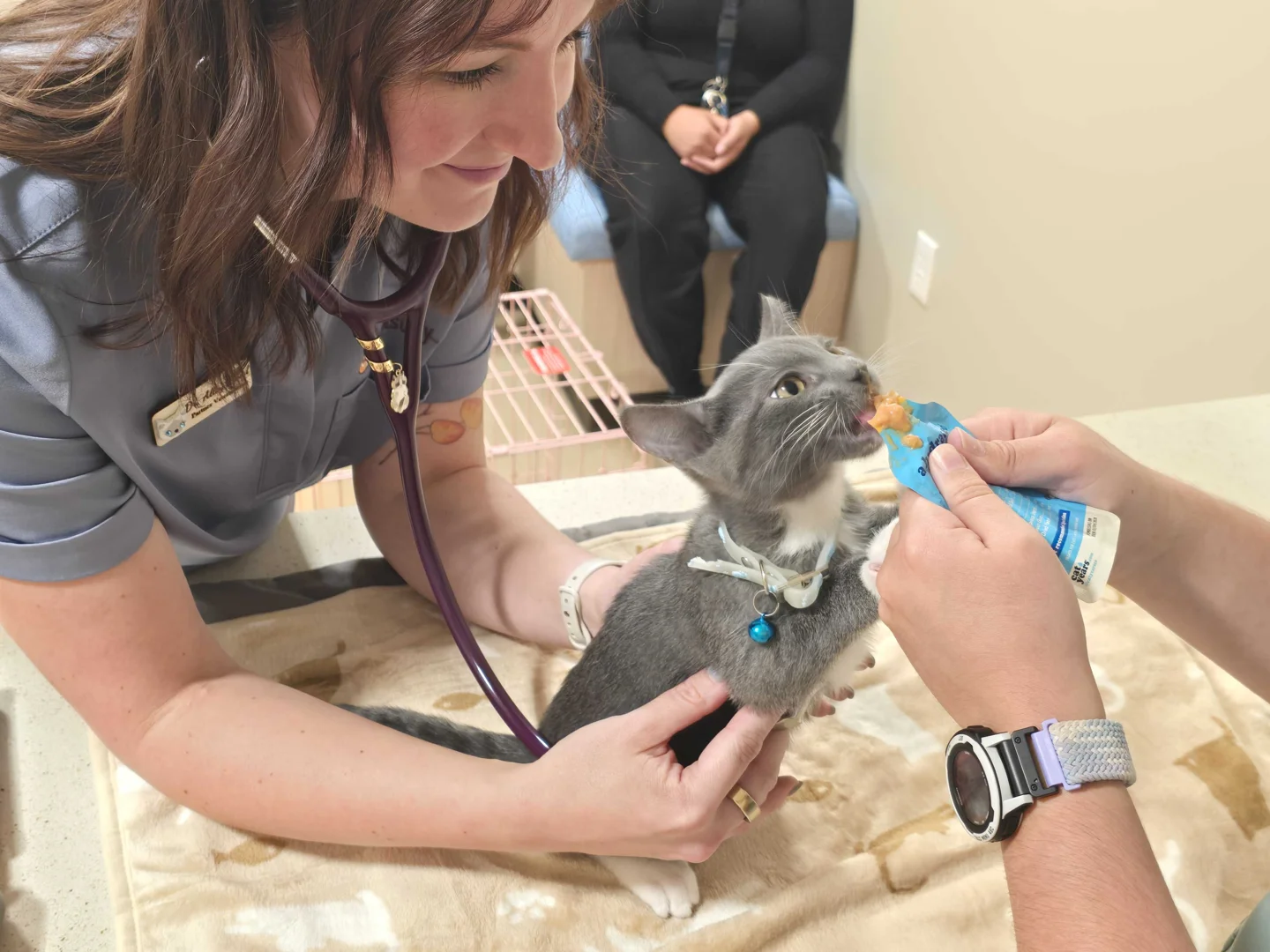
During a vet visit, a Cat may need to step, sit, or turn on surfaces that feel unfamiliar under their paws. A soft blanket or towel can add traction and a more familiar tactile experience than some smooth exam surfaces. Secure footing matters because slipping can make a Cat feel less safe in a new setting. This supports comfort and grip, while medical temperature management remains a separate clinical decision guided by the Care Team.
Maintaining normal body temperature is a clinical responsibility during exams, diagnostics, sedation, and anesthesia. Cats under sedation or general anesthesia can lose heat more easily because normal thermoregulation is reduced, and hypothermia is a recognized anesthesia risk. AAHA anesthesia guidance emphasizes temperature monitoring and active warming when needed to help maintain normothermia. A familiar blanket or towel can add comfort and reduce contact with cool surfaces, but it is not the same as clinical warming equipment. Cat Parents can review cat anesthesia risks before a procedure and ask the Care Team how temperature will be monitored and supported.
From a behavioral viewpoint, surface texture, stability, and visual exposure can influence a Cat's experience. Cats use touch and footing to assess new places, and some may be more comfortable on a stable, soft layer than on a slick exam surface. Others may prefer less fabric contact or no covering at all. Whenever clinically appropriate, the Cat should be able to choose whether to use the blanket, shift position, or move away from it.
Blankets Are Not a Substitute for Clinical Warming
Maintaining appropriate body temperature matters during anesthesia and some procedures, especially when a Cat is resting still for an extended time. An ordinary exam blanket can add comfort and reduce contact with cool surfaces, but it is not an active warming device. The veterinary team chooses temperature monitoring and thermal support based on the patient, procedure, and clinical setting.
Veterinary teams may use passive insulation or specialized warming systems to help reduce heat loss. Passive options, like fleece liners or thermal wraps, help retain the cat's own body warmth without powered equipment. Clinical warming systems, when needed, are selected, used, and monitored by trained veterinary professionals based on the cat's condition, procedure, and temperature trends. These devices are not meant for Cat Parents to purchase or use at home.
How Visual Cover May Help Some Cats During Exams
Cats may feel more secure when they can choose less visual exposure in an unfamiliar exam room. Some prefer to settle inside a covered carrier base or behind a towel barrier, while others want a clear view. Coverings should never block breathing, limit needed movement, or prevent the Care Team from observing the Cat. The best choice depends on the individual Cat’s response.
A visual boundary can sometimes help the Care Team reduce crowding and adapt parts of the exam to a Cat's preferred position or need for cover. The team still balances access, safety, diagnostic needs, and the Cat's responses, so some assessments may require repositioning, partial uncovering, or more direct handling. Patient-paced care means the exam is adjusted thoughtfully, not that every step is slow or hands-off.
Types of Blankets and Wraps Used in Feline Medicine
Fabric can help in several different ways: familiar bedding from home, surface traction on an exam table, a visual cover for the carrier, or clinically managed thermal support when the Care Team recommends it. The table below is a general comparison, not a purchasing guide, and separates ordinary washable fabrics from specialized clinical equipment.
| Type of covering | Possible purpose | Important considerations |
|---|---|---|
| Ordinary exam liners | Add softness, traction, and a warmer-feeling surface on the exam table | Should stay flat, be clean, and allow the Care Team to examine the Cat safely |
| Familiar towel or blanket from home | Provide familiar scent and a sense of security during handling or waiting | Best for Cats who find home scents calming. Avoid thick or snag-prone fabrics |
| Carrier cover | Reduce visual stimulation during travel or in the waiting area | Must allow airflow and should not overheat the Cat. Some Cats prefer seeing out |
| Specialized veterinary warming systems | Help support body temperature during anesthesia, recovery, or specific medical care | Require veterinary oversight, temperature monitoring, and proper equipment use |
Choosing a Blanket or Towel to Bring From Home
Choose a clean, soft blanket or towel that is appropriately sized and easy to handle. Loose loops, damaged fabric, or fraying threads may catch claws, so avoid materials that shed or snag easily. Smooth fleece, tightly woven fabric, or soft layered cotton gauze can work well when they stay stable and comfortable for your cat.
For resting surfaces, a soft, washable fleece or towel with good grip can help a cat feel steadier on slick tables and scales. For travel drapes and carrier covers, choose a lightweight, breathable fabric that blocks some visual stimulation without trapping heat. Ventilation, temperature, cleanliness, and your cat's individual preference matter more than any specific branded material.
When Veterinary Teams May Use Towels or Wraps During Care
Procedural wraps are specialized tools designed to keep Cats feeling tucked and secure while giving the veterinary team targeted access for diagnostic care. Unlike basic towels, these garments feature modular panels, zippered sections, or hook-and-loop closures.
Veterinary teams may use towels or clinical wraps in flexible ways, based on the Cat’s body language, procedure, and safety needs. The goal is to limit unnecessary restriction while still allowing medically necessary care, such as an exam, injection, or sample collection. A wrap can provide warmth, reduce visual stimulation, and create a steadier surface, but the Care Team should adjust the approach if it increases stress.
How Blankets and Towels May Be Used During Your Cat's Exam
A calm exam starts before your Cat arrives at the veterinary hospital. Leaving the carrier accessible at home, with a familiar blanket inside, can let your Cat investigate it voluntarily and may help it feel more familiar. Knowing how to choose the best cat carrier can also help you consider options like a removable top, which may offer more exam flexibility for some Cats.
Good cat carrier prep can include placing familiar bedding or a soft blanket in the carrier before the visit. Let your Cat choose to sleep, sniff, take treats, or lounge on it, rather than forcing them to stay there. The fabric may offer a recognizable scent and resting surface. When clinically appropriate, some Cats can be examined in the lower half of a removable-top carrier.
Bringing a Familiar Blanket From Home
Scent is an important part of how Cats understand their environment. In an unfamiliar carrier, exam room, or clinic setting, recognizable scent information from home may help the space feel less strange. When appropriate, bring a clean, familiar blanket or towel that your Cat has used at home.
Some Cat Parents choose to pair home bedding with synthetic feline facial pheromone sprays as an optional part of a pre-visit calm routine. Individual Cats respond differently, and evidence does not support a guaranteed calming effect. If you use a spray, apply it only to the blanket or carrier, never directly to your Cat, and follow the manufacturer’s instructions for drying time before use.
Carrier-Based Exams and Individualized Handling
Carrier-based exams, familiar bedding, and optional coverings are considerations the Care Team may choose based on the individual Cat:
- Let your Cat stay in the lower half of a removable-top carrier when that helps them feel settled and allows the Care Team to examine them safely.
- Choose a clean, soft, non-snagging towel or blanket that rests smoothly without bulky folds, loose threads, or stiff corners.
- Use optional visual cover only if it appears to calm your Cat, while keeping breathing clear and patient observation easy.
- Avoid tight wrapping or positioning at home. The Care Team will decide how much cover and access are appropriate for care.
- Check that any covering allows normal breathing, comfortable posture, and easy movement without trapping heat.
- Watch your Cat's posture, facial tension, and willingness to engage, so handling can be adapted when clinically appropriate during routine Cat wellness exams.
Frequently Asked Questions About Cat Blankets at the Vet
Can I Bring My Cat's Regular Blanket to the Vet?
Yes, a familiar household blanket or towel may be suitable for a vet visit. Choose clean, soft fabric that is appropriately sized for the carrier or exam surface. Avoid loose threads, open weaves, or loops that could catch claws. Skip heavily scented detergents or fabric sprays, since strong smells can bother Cats. You can also ask the Care Team whether bringing familiar bedding is appropriate for your appointment.
Should I cover my Cat's carrier with a blanket during travel to the clinic?
Some Cats may benefit from reduced visual stimulation during transport, so a carrier cover can be helpful, but it is optional and preferences vary. Choose a cover arrangement that fits your carrier, weather, and travel setting. Never let a cover block airflow or contribute to overheating, and do not assume covering will reduce fear for every Cat.
Supporting Your Cat's Comfort and Choice During Veterinary Visits
A thoughtfully chosen cat vet blanket, familiar bedding from home, a stable surface, or an optional visual cover may support some Cats during veterinary visits. These are environmental comfort tools, not the same as specialized clinical warming equipment or restraint techniques. At CatsOnly, our veterinary hospital considers feline sensory needs, behavior, and each Cat's individual response as part of clinical care. If your Cat is due for routine veterinary care, book a visit with our Care Team.
This article is for educational purposes and reflects general feline health information. It is not a diagnosis and does not replace an examination by a veterinarian who knows your Cat. Every Cat is an individual, and recommendations can change with age, history, and physical findings. If you notice a change from your Cat's normal baseline, or you have questions about your Cat's health, contact your veterinary Care Team. If your Cat is struggling to breathe, unable to urinate, or collapsed, seek veterinary care immediately.
Veterinary care designed entirely for Cats.
Most clinics accommodate Cats. We were built for them.
SHARE THIS ARTICLE:
Latest Articles