Best Diet for Cats with Urinary Problems: What to Discuss
By CatsOnly Care Team • October 9, 2026
Choosing a Diet for a Cat With Urinary Problems
Selecting a diet for a Cat with urinary signs begins with identifying the underlying urinary condition with your veterinarian. According to the 2025 iCatCare consensus guidelines, different lower urinary tract conditions can cause similar outward signs but require different approaches to management. For example, therapeutic diets for struvite management may be formulated to influence urine pH and manage specific minerals, while nutritional recommendations for other urinary conditions depend on the diagnosis and the individual Cat.
Diet changes intended to manage a urinary condition, including therapeutic urinary diets, should be made with veterinary guidance. Your veterinarian can help determine the right nutritional approach based on your Cat’s diagnosis, health, and individual needs. CatsOnly’s nutrition guidance can help Cat Parents prepare for that conversation and review their Cat’s current feeding routine.
Understanding Lower Urinary Tract Signs in Cats
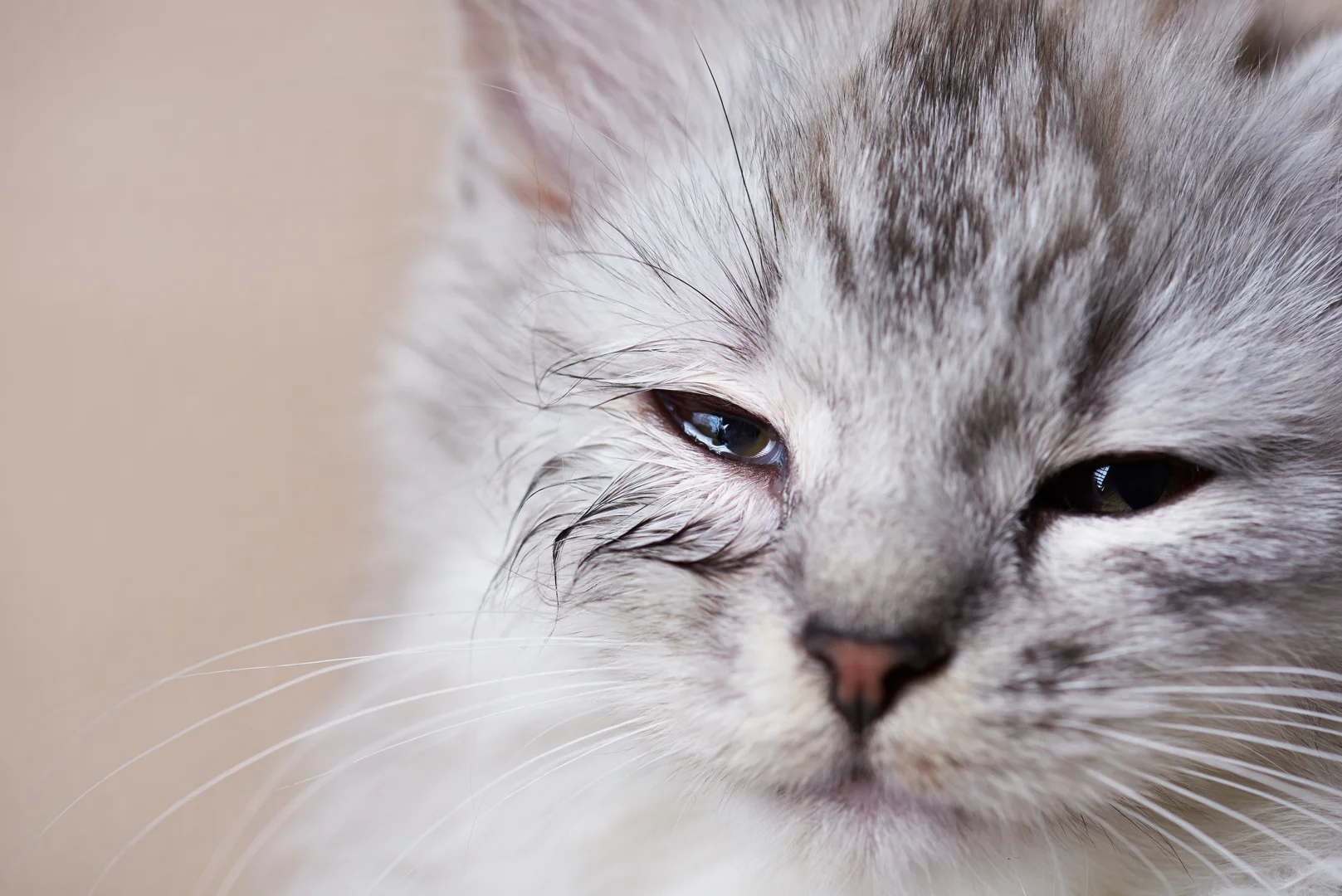
When a Cat experiences discomfort in the bladder or urethra, clinical signs often look similar regardless of the underlying cause. According to the 2025 iCatCare consensus guidelines on the diagnosis and management of lower urinary tract diseases in Cats, lower urinary tract signs warrant systematic veterinary evaluation because treatments appropriate for one condition may not suit another. Cat Parents and Caregivers may observe straining in the litter box, frequent urination in small amounts, visible blood in the urine, or urination outside the box.
Different Conditions Can Cause Similar Urinary Signs
Diagnostic evaluation helps distinguish between distinct urinary conditions:
- Feline Idiopathic Cystitis (FIC): The 2025 iCatCare consensus guidelines identify FIC as a common cause of lower urinary tract signs, particularly in young to middle-aged Cats. Diagnosis requires veterinary evaluation and consideration of other potential causes.
- Urolithiasis (Urinary Stones): Urinary stones can form within the urinary tract. Struvite and calcium oxalate are important examples, and the type of stone matters because nutritional management differs between conditions.
- Bacterial Urinary Tract Infections: According to the 2025 iCatCare consensus guidelines, bacterial urinary tract infections are less common in younger Cats but may become more likely with age or certain concurrent medical conditions.
- Urethral Plugs: Urethral plugs can block urine flow through the urethra and contribute to urethral obstruction, particularly in male Cats. Difficulty passing urine or repeated attempts with little or no urine require immediate veterinary care.
Because nutritional approaches differ among urinary conditions, understanding what is causing your Cat's urinary signs is an important first step. Veterinary evaluation may include an examination and diagnostic testing to help distinguish among possible causes and guide appropriate management. Learn more about the feline veterinary services we offer at CatsOnly.
Recognizing When Lower Urinary Signs Require Immediate Medical Attention
According to the 2025 iCatCare consensus guidelines, an inability to pass urine is a medical emergency requiring immediate veterinary care. Repeated attempts to urinate with little or no urine can indicate a urethral obstruction and should also be treated as an emergency. Cat Parents may also notice vocalization, vomiting, or severe lethargy. Learn more about signs of a urinary emergency and when to seek immediate care.
CatsOnly is not a 24-hour emergency hospital. During hospital hours, Cat Parents can call our Feline Experience Specialists for help assessing the urgency of their Cat's situation and coordinating next steps. If we are unable to answer, or if it is after hours, calls are automatically connected to a licensed Registered Veterinary Technician (RVT) who can triage the Cat and provide guidance on next steps. Cats needing emergency care can be directed to Veterinary Emergency Group (VEG), our 24/7 emergency partner.
Selecting the Best Diet for Cats with Urinary Problems
According to the 2025 iCatCare consensus guidelines, therapeutic diets are formulated to address specific urinary parameters identified during diagnostic evaluation. Veterinary therapeutic options are evaluated based on defined nutritional profiles tailored to support medical management under clinical supervision. Determining the best diet for Cats with urinary problems involves matching nutritional formulations to diagnostic results and individual patient needs.
Nutritional Considerations in Urinary Diets
Veterinary discussions regarding urinary nutrition focus on several clinical considerations:
- Moisture Content: The 2025 iCatCare consensus guidelines note that increasing dietary moisture can increase water intake and support more dilute urine. How this fits into nutritional management depends on the urinary condition and the individual Cat.
- Mineral Balance: Depending on the urinary condition, therapeutic diets may be formulated to manage specific minerals involved in certain crystals or stones. Nutritional goals differ by diagnosis, so your veterinarian should guide the plan.
- Individual Health Factors: Age, body condition, other medical conditions, medications, and what the Cat will reliably eat can all influence diet selection. Your veterinarian can help balance urinary nutritional goals with the Cat’s other health needs.
For Cats with kidney disease as well as urinary concerns, nutritional priorities may need to be balanced carefully. Cat Parents can learn more in our guide to choosing a diet for Cats with kidney disease and discuss their Cat’s individual needs with their veterinarian.
How Diet Differs for Struvite and Calcium Oxalate Stones
The type of urinary stone matters when considering nutrition. According to the 2025 iCatCare consensus guidelines, some struvite stones can be dissolved with an appropriate therapeutic diet under veterinary management. Calcium oxalate stones cannot be dissolved through diet and may require procedural removal, although nutrition may still play a role in longer-term management after the stones are addressed.
Therapeutic urinary diets are designed to support specific medical and nutritional goals, so Cat Parents should not select or change one without veterinary guidance. A veterinarian can interpret diagnostic findings, recommend an appropriate nutritional approach, and determine what follow-up monitoring is appropriate for the individual Cat.
Why Urine pH and Minerals Matter
Research in the Journal of Animal Science shows that diet can influence urine pH, and urine pH is one factor involved in the formation of certain urinary crystals and stones. The right nutritional goal depends on the specific urinary condition, so therapeutic diets are formulated differently and should be selected with veterinary guidance.
Cat Parents should not try to change their Cat’s urine pH with supplements or dietary additions on their own. Research in the Journal of Animal Science on urinary acidifying agents shows why acidification is a medical nutrition tool, not a DIY project. Therapeutic diets are formulated for specific urinary goals and should be used with veterinary guidance.
For these reasons, supplements intended to alter urine pH and therapeutic urinary diets should not be introduced without veterinary guidance. Your veterinarian can use your Cat’s diagnosis, clinical findings, and appropriate diagnostic testing to determine whether a therapeutic urinary diet is indicated and what nutritional approach is appropriate.
The Role of Moisture in Urinary Health
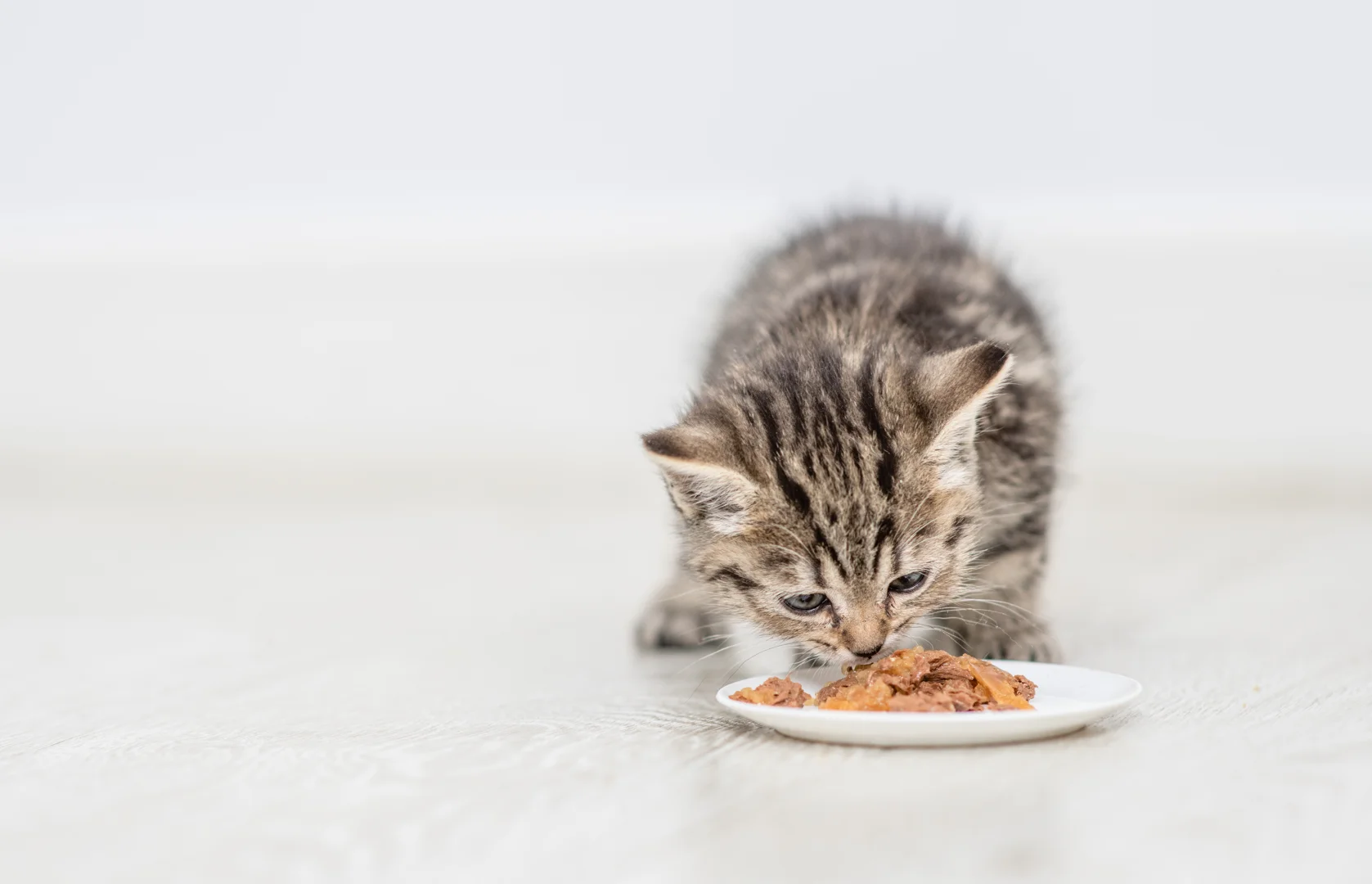
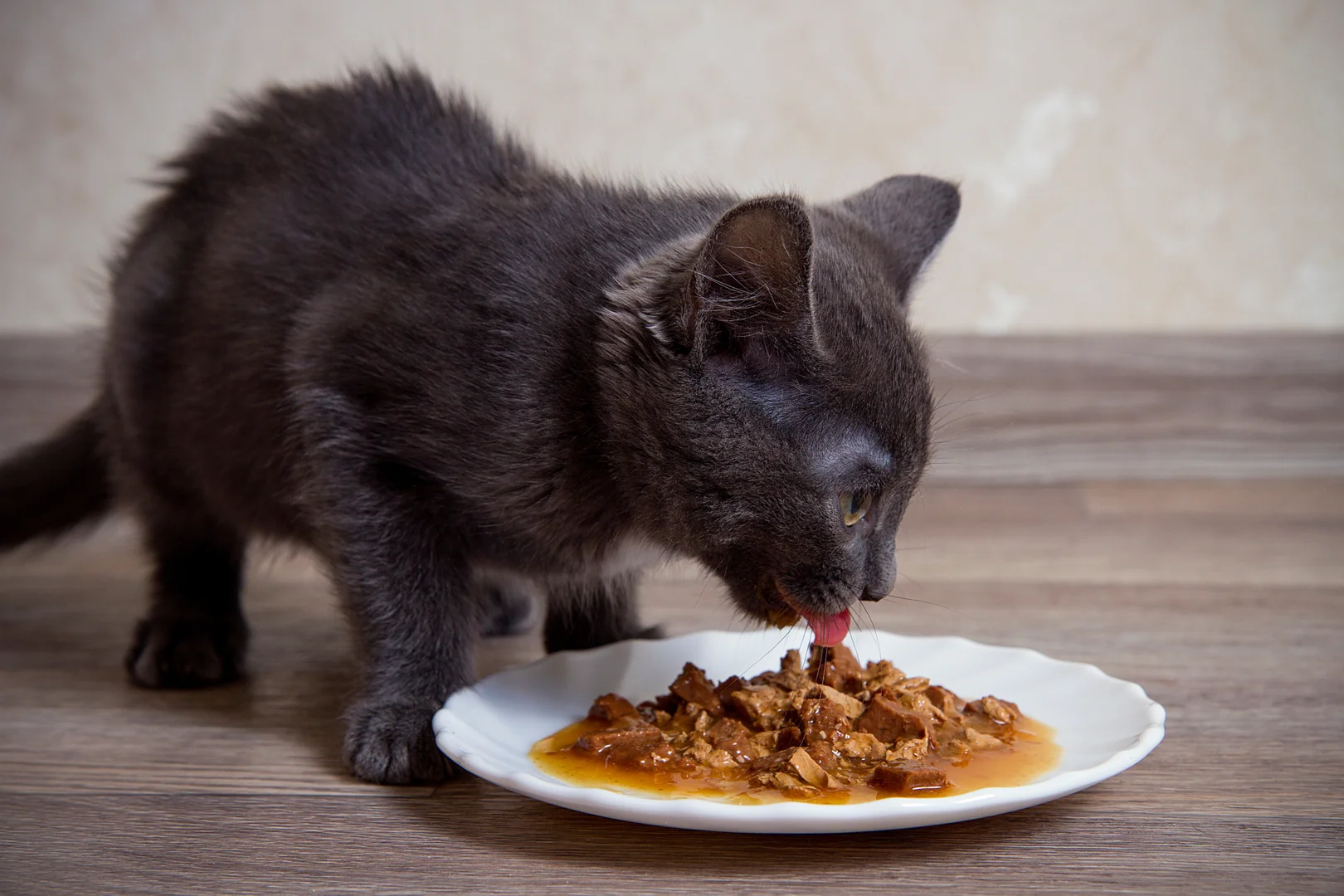
Supporting moisture intake can be part of managing some feline lower urinary tract conditions. The 2025 iCatCare consensus guidelines note that wet diets can increase overall water intake and help reduce urine concentration in Cats with lower urinary tract signs. Wet food provides more water through the diet than dry food, but food format alone does not make a diet therapeutic. Depending on the diagnosis and the individual Cat, an appropriate therapeutic urinary diet may be wet or dry.
Cat Parents can support water intake by offering fresh water in multiple locations, a Multiple & Separated Resources approach, and exploring options like different bowl styles or fountains based on their Cat’s preferences. Wet food can add dietary moisture, though it is not the same as a therapeutic urinary diet. For Cats with urinary conditions, discuss hydration and food choices with your veterinarian.
Diet Is One Part of Urinary Health
Nutrition may be one part of managing lower urinary tract disease, but the right approach depends on the condition affecting the Cat. For Cats with feline idiopathic cystitis (FIC), environmental factors can also play an important role alongside veterinary care and individualized nutrition.
Combining Nutrition with Environmental Support
For Cats diagnosed with feline idiopathic cystitis (FIC), the 2025 iCatCare consensus guidelines discuss Multimodal Environmental Modification (MEMO): an individualized plan that looks at the Cat’s resources, routines, stressors, and daily experience alongside appropriate veterinary evaluation, nutrition, and any other clinically indicated care. Environmental considerations may include:
- Providing sufficient, accessible litter boxes, ideally one per Cat plus one, in separated, low-stress areas.
- Offering choice through safe retreats, elevated perches, and comfortable resting spots.
- Keeping routines and Cat Parent interactions predictable, with regular opportunities for gentle play and predatory-style activity.
Environmental support can be an important part of individualized feline idiopathic cystitis management, alongside veterinary care and nutritional management when appropriate. These changes do not replace diagnostic evaluation or other treatment recommended for the individual Cat.
Diet Transitions and Veterinary Monitoring
When a therapeutic urinary diet is recommended, the change is often made gradually to support digestive tolerance and acceptance. The right pace can vary by Cat, diet, and clinical situation, so follow your veterinarian’s guidance if they recommend a different approach. Cat Parents can also review our guide to transitioning Cat food for practical considerations when changing diets.
The 2025 iCatCare consensus guidelines support tailoring follow-up to the Cat’s specific urinary condition, test results, and response to care. After a therapeutic urinary diet is introduced, your veterinarian may recommend a follow-up evaluation to see how your Cat is doing, decide whether urinalysis or other testing is needed, and adjust the nutrition or medical plan if the individual Cat’s response calls for it.
Frequently Asked Questions About Feline Urinary Diets
Can Feeding Formats Affect Moisture Intake in Cats with Urinary Problems?
According to the 2025 iCatCare consensus guidelines, wet food can increase total water intake and support more dilute urine compared with dry food. However, food format alone does not make a diet therapeutic, and an appropriate urinary diet may be wet or dry. Cat Parents should discuss the right diet and feeding format with their veterinarian.
How Long Does a Cat Need to Stay on a Urinary Dissolution Diet?
For Cats receiving a therapeutic diet to dissolve struvite stones, there is no universal timeline. The 2025 iCatCare consensus guidelines recommend continuing the diet under veterinary guidance until diagnostic imaging confirms resolution, then choosing the longer-term nutrition plan with your veterinarian.
Can You Dissolve Calcium Oxalate Bladder Stones with Diet Alone?
No. According to the 2025 iCatCare consensus guidelines, calcium oxalate stones cannot be dissolved through dietary modification. They may require procedural removal, depending on the individual Cat and clinical findings. Nutrition may still be part of the longer-term management plan after the stones are addressed.
Should Cat Parents Change a Urinary Diet Without Veterinary Guidance?
No. Therapeutic urinary diets are formulated for specific medical and nutritional goals based on the condition being managed. If the Cat will not eat the food, develops a problem with it, or the Cat Parent wants to change it, they should talk with their veterinarian before changing or discontinuing the diet so the nutritional plan can remain appropriate for the individual Cat.
Conclusion
There is no single best diet for every Cat with urinary problems. The right plan depends on the specific urinary condition, the individual Cat’s overall health and nutritional needs, and what they will reliably eat. Cat Parents can use the Nutrition Consult Guide to prepare feeding details and questions for a veterinarian.
If a Cat shows changes in urination, litter-box habits, or signs of discomfort, veterinary evaluation is the first step. Once the urinary condition has been evaluated, Cat Parents and their veterinarian can determine the nutritional, medical, and environmental approaches that are appropriate for the individual Cat.
This article is for educational purposes and reflects general feline health information. It is not a diagnosis and does not replace an examination by a veterinarian who knows your Cat. Every Cat is an individual, and recommendations can change with age, history, and physical findings. If you notice a change from your Cat's normal baseline, or you have questions about your Cat's health, contact your veterinary Care Team. If your Cat is struggling to breathe, unable to urinate, or collapsed, seek veterinary care immediately.
Veterinary care designed entirely for Cats.
Most clinics accommodate Cats. We were built for them.
SHARE THIS ARTICLE:
Latest Articles