Using Familiar Scents to Help Your Cat During Vet Travel
By CatsOnly Care Team • October 2, 2026
Scent is an important way Cats gather information about their environment and recognize what feels familiar. Their bedding, blankets, and favorite resting spots often carry home scents from normal contact, grooming, and rubbing. Travel and veterinary visits add many unfamiliar sounds, smells, and surfaces, and each Cat may respond differently. Bringing a familiar blanket, bedding, or another familiar-smelling item can give your Cat a recognizable piece of home during the trip.
Choosing a veterinarian who understands Cat anxiety can be one part of preparing for veterinary visits that support feline emotional wellbeing. Teams focused on feline behavior and sensory needs recognize that scent, sound, handling, and environment all shape the overall experience.
Why Familiar Scents Matter to Cats
A Cat uses scent to gather information about the environment and recognize familiar people, objects, and spaces. A blanket that smells like home may give the Cat something recognizable during travel. In contrast, new carrier materials, vehicle odors, and veterinary cleaning products add unfamiliar sensory information, and each Cat may respond differently. Placing familiar-smelling bedding or another trusted item inside the carrier can help connect home with the unfamiliar carrier, car, and hospital setting.
Familiar Scents, Handling, and Exam Comfort
Carrier design directly influences handling options during an examination. Hard plastic carriers with removable tops allow the Care Team to unclip the upper shell without forcing the Cat forward. This design can allow exams to occur in a location appropriate for that Cat and the clinical need, including the carrier base, a padded surface, or the floor, consistent with CatsOnly clinical standards. A soft, non-slip blanket, sometimes familiar bedding from home when clinically appropriate, can provide more secure footing than a slick exam surface.
Step-by-Step: Preparing Your Cat’s Carrier With Familiar Scents
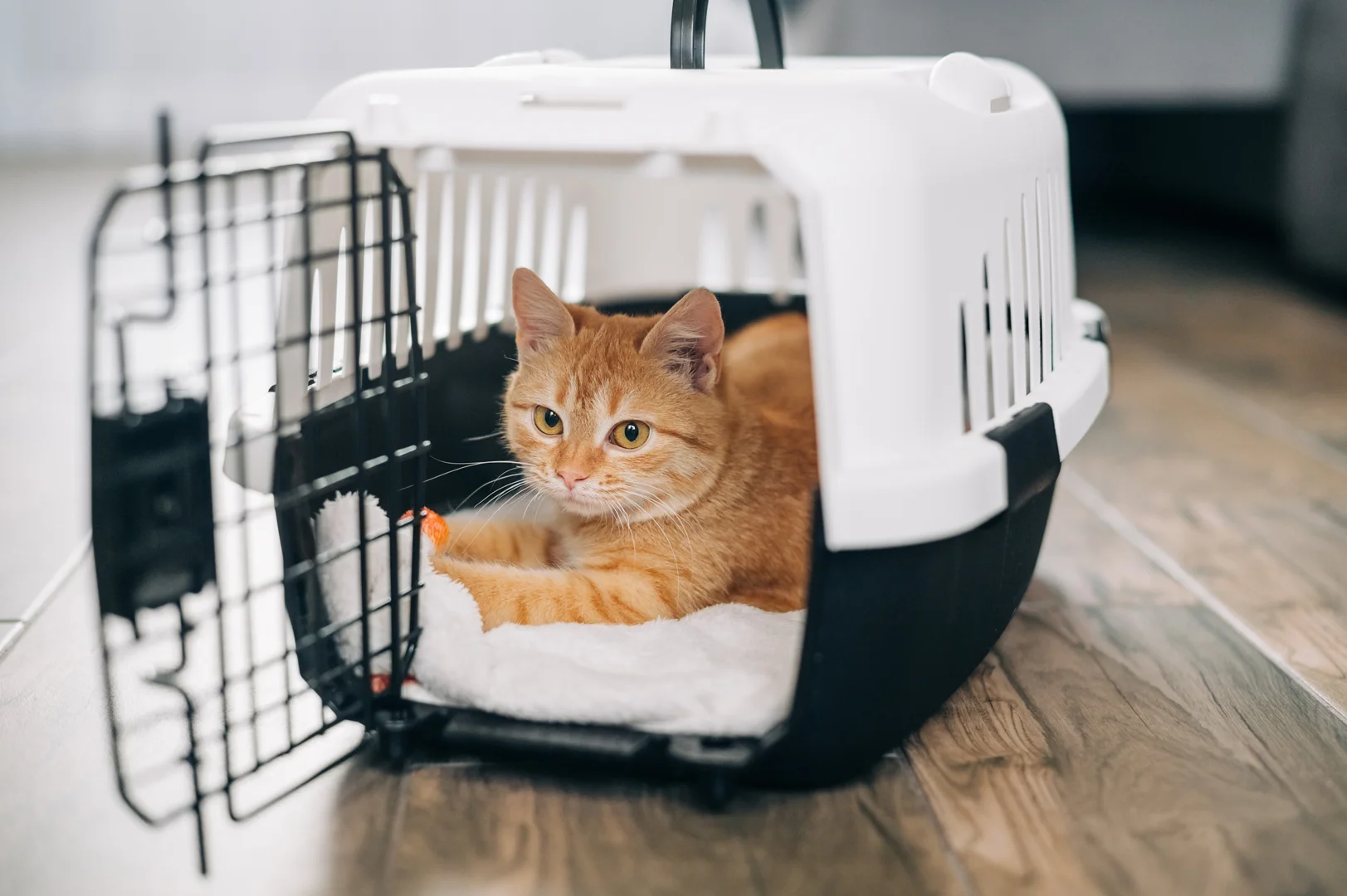
Setting up a calmer trip starts with choosing an appropriate carrier and preparing the inside so it feels steady, soft, and familiar. Cat Friendly Practice® guidance on choosing the perfect Cat carrier supports sturdy construction, multi-point access, and ease of cleaning. Our Carrier Preparation Guide offers practical steps for getting the carrier ready, then adding a familiar blanket or another home-scented item your Cat already knows.
Choosing Familiar Bedding for the Carrier
A helpful carrier lining balances cushioning, secure footing, and familiar scent. Slick plastic or nylon may offer less stable footing, while soft, non-slip bedding can help your cat feel steadier and carry home scent.
| Option | What to consider | Familiar-scent consideration |
|---|---|---|
| Fleece blanket | Soft and easy to fold into the carrier base. Choose a washable piece that does not slide around. | Works best if your Cat already naps on it or it has rested in a favorite sleeping spot. |
| Cotton towel | Easy to wash and replace. Can add light padding and help with small messes. | A towel from home may feel and smell more predictable than a freshly scented or unfamiliar one. |
| Non-slip mat or pad | May help bedding stay flatter, if it fits safely and does not bunch up. Avoid bulky pieces that crowd the carrier. | Use under a familiar blanket or towel rather than as the main comfort item. |
| Absorbent underpad | Helpful for accidents during travel. Place it under familiar bedding when possible. | Useful for cleanup, but it usually does not provide the same familiar home scent as regular bedding. |
Use a familiar towel or blanket from home for a softer, familiar-smelling surface, with an absorbent layer underneath if accidents are a concern, and choose bedding that does not easily slide or bunch.
Adding Familiar Scents to the Carrier
Before travel, place the blanket or towel somewhere your Cat already rests or sleeps, such as a favorite bed, chair, or sunny spot. This gives the item time to pick up the familiar scent of your Cat and home. If it is reasonably clean, avoid washing it immediately before the appointment. When laundering is needed, use gentle, unscented products and let it dry fully. A familiar-smelling towel or blanket can make the carrier feel more recognizable.
Synthetic Pheromones and Covering the Carrier
Synthetic feline pheromones may offer additional environmental support for some Cats during transport, but they are not a substitute for familiar scent from home. Consult your veterinarian to decide whether a specific product is appropriate, and follow that product’s label directions for where and when to apply it. A light, familiar-smelling blanket over part of the carrier may reduce visual stimulation in the car, but keep ventilation fully open. Adjust the cover based on your Cat, since some Cats prefer more visual access.
Step-by-Step: Helping Your Cat Become Familiar With the Carrier
Gradual familiarization keeps the carrier regularly available at home, especially when familiar bedding lets household and Cat scent build over time:
- Keep the carrier accessible in a familiar area where your Cat already spends time, with the door safely secured open or removed.
- Place familiar bedding, or a familiar-smelling towel or blanket, inside the carrier.
- Offer treats, praise, or meaningful comfort items near the entrance, allowing voluntary exploration without pressure.
- Move rewards farther inside only when your Cat is comfortably approaching or entering on their own.
- Introduce door movement or brief closure gradually, reopening before your Cat shows the step feels too difficult.
- Add gentle lifting or carrying only when the carrier already feels familiar and predictable.
- Build toward vehicle travel at your Cat’s pace, aiming for greater familiarity and positive, predictable experiences.
For additional recommendations, read our guide on how to choose the best Cat carrier for your Cat.
Keeping the Carrier Out at Home
Keeping the carrier accessible between trips may help reduce the association between the carrier and veterinary travel. Leave it open in a quiet area, near a place your Cat already chooses to spend time, or another low-traffic spot that fits your home. Add familiar bedding inside so the carrier carries normal home scents. Your Cat can investigate, enter, rest in, or ignore it without pressure.
Introducing Door Closure and Movement
Once your Cat voluntarily enters the carrier and stays comfortably, begin brief door-closure practice. Secure the latch gently for a short moment, then open it calmly, increasing the duration only if your Cat remains settled. If food rewards are motivating, offer a favorite treat. Next, practice lifting the carrier with two hands, keeping it level and well supported to reduce swinging or tilting. Gentle movement at home can make these sensations more familiar before a real trip.
During the Car Ride and After the Veterinary Visit
Car travel adds unfamiliar movement, vibration, and sound, which gives your Cat new sensory and physical input to process. Secure carrier placement and appropriate vehicle restraint can help reduce unnecessary movement, while familiar bedding stays in the carrier as a recognizable scent from home.
Securing the Carrier for Car Travel
Before driving, place the carrier where it can stay secure, stable, and as level as your vehicle allows. Choose a location that limits sliding, tipping, or shifting during turns and stops. If you use a seatbelt or built-in restraint points, follow both the carrier manufacturer’s instructions and your vehicle manufacturer’s guidance. Avoid placing the carrier where airbags or seat shape could make travel less safe. If you are unsure, ask the Care Team for travel setup guidance.
After the Visit: Cleaning the Carrier and Returning It Home
After returning home, check the carrier and bedding for urine, feces, vomit, spilled food, or other soiling. If cleaning is needed, follow the carrier manufacturer's care instructions, and avoid unnecessary added fragrance when possible. If the blanket stayed clean and dry, it does not always need immediate washing. Return it to a resting spot your Cat normally uses so it can continue carrying familiar scents from home before the next trip.
Frequently Asked Questions About Traveling With Your Cat to the Vet
What type of carrier can make veterinary travel easier for a Cat?
A rigid carrier with both front and top entry points can be a useful choice. Carriers with a removable top shell allow the Care Team to unclip the upper half and, when appropriate, examine the Cat in the familiar carrier base. A sturdy carrier that stays stable gives the Care Team more flexibility with each Cat.
What should I do if my Cat won’t enter the carrier?
If your Cat avoids the carrier before a scheduled appointment, move the carrier into a small, quiet room where you can reduce chasing and keep the environment calm and manageable. For some Cats, a removable-top carrier allows the Cat to settle on the familiar blanket in the base before the top is replaced. If carrier entry is consistently difficult or your Cat shows significant distress, contact your Care Team to discuss individualized pre-visit support, which may include behavioral preparation and, when clinically appropriate, medication.
Should I wash the carrier blanket immediately after a vet visit?
A carrier blanket may need washing after urine, feces, vomit from motion sickness, or other soiling during travel or the appointment. If it is clean and dry, it does not necessarily need to be washed right after every veterinary visit. When laundering is needed, wash and dry it fully, then place it back in a spot your Cat normally uses so it can smell familiar again before the next trip.
Conclusion
Supporting feline comfort during travel combines sensory preparation, choosing an appropriate carrier, and gradual familiarization and practice at home. A familiar blanket and secure, non-slip footing can make the carrier feel more predictable, while familiar scents from home give your Cat something recognizable during the trip.
At CatsOnly, care is guided by our Feline BioBehavioral Care Standards™ and the PEACE Method™ framework: Personalized Approach, Experiential Excellence, Advanced Medicine, Collaborative Care, and Emotional Intelligence. Learn more about preparing your Cat for a veterinary visit in our Pre-Visit Calm Guide, and partner with our Care Team to prepare for your individual Cat and respond to their needs throughout the visit.
This article is for educational purposes and reflects general feline health information. It is not a diagnosis and does not replace an examination by a veterinarian who knows your Cat. Every Cat is an individual, and recommendations can change with age, history, and physical findings. If you notice a change from your Cat's normal baseline, or you have questions about your Cat's health, contact your veterinary Care Team. If your Cat is struggling to breathe, unable to urinate, or collapsed, seek veterinary care immediately.
Veterinary care designed entirely for Cats.
Most clinics accommodate Cats. We were built for them.
SHARE THIS ARTICLE:
Latest Articles