
Why Do Cats Purr?
By CatsOnly Care Team • November 18, 2026
Why Cats Purr and What Their Purr Can Tell You
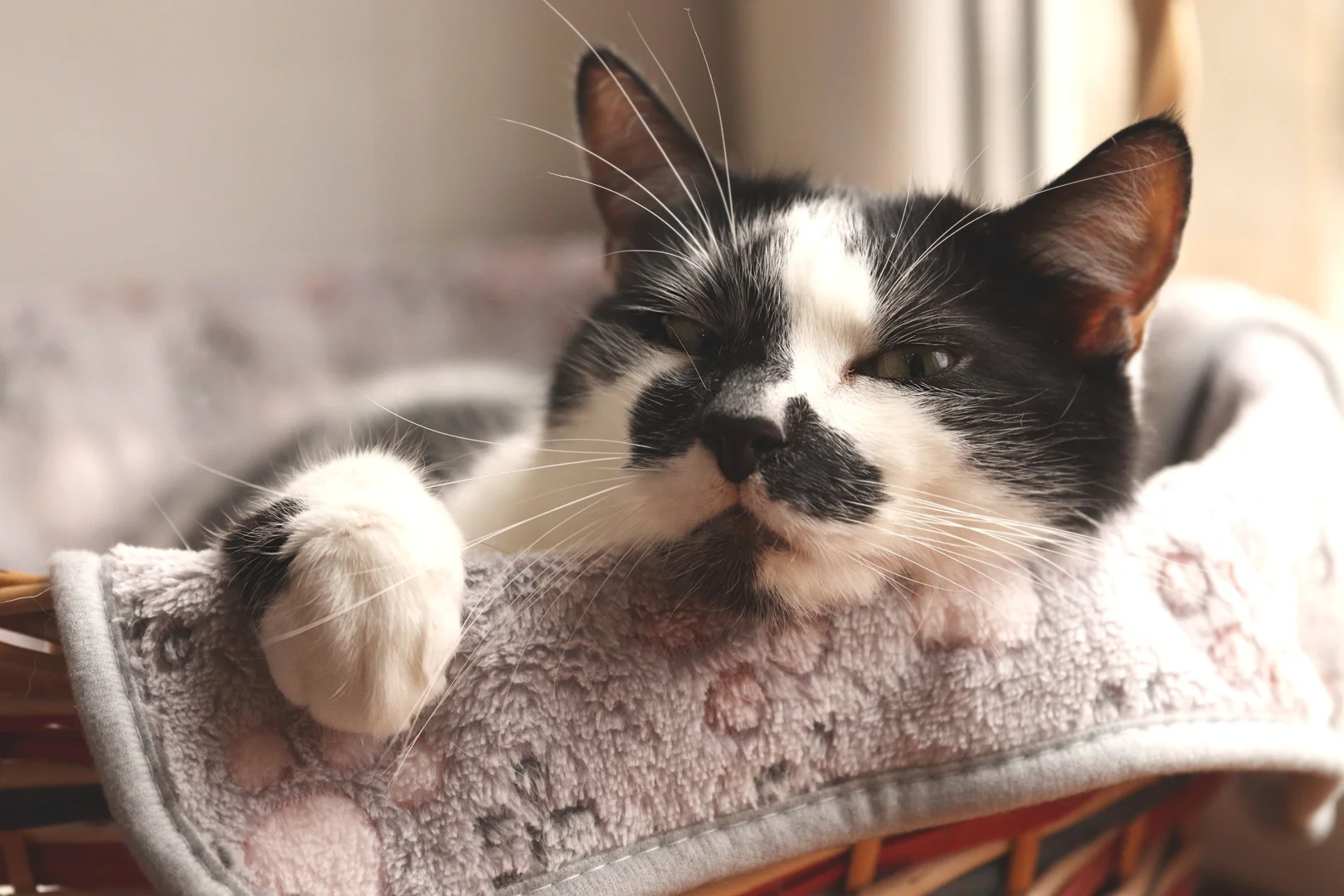
Cats purr for several reasons. They may purr when they feel comfortable, when they are connecting with someone, or when they want attention. They can also purr when they feel stressed or uncomfortable, so a purr does not always mean a Cat is happy, as NC State University College of Veterinary Medicine explains. The same sound can mean different things in different moments. A Cat resting with loose muscles and slow blinks may be comfortable. A Cat who is tense or acting differently may need closer attention.
Cats communicate as individuals, so interpret purring in context. Look at body posture, facial expression, environment, and what else your Cat is doing, such as eating, hiding, stretching, or avoiding touch. A quiet purr during rest is only one clue, and a new pattern matters more when it appears with other behavior changes.
Why Do Cats Purr Most of the Time?
Most Cats purr during calm, social moments. You may hear it when your Cat curls up beside you, kneads a blanket, or settles down for a nap. In these moments, purring often goes with a relaxed body and familiar routine. Pay attention to the setting. Purring during a familiar nap can mean something different from purring when your Cat seems tense or uncomfortable.
Purring can happen when your Cat is relaxed near you, but it does not always mean they want petting. Let your Cat choose when to approach, continue, or move away, and pause if you see tail twitching, skin rippling, ear changes, or shifting away. Respecting those signals builds trust over time. Our daily Cat health and happiness guide has more simple tips.
Why Cats Purr to Communicate and Bond
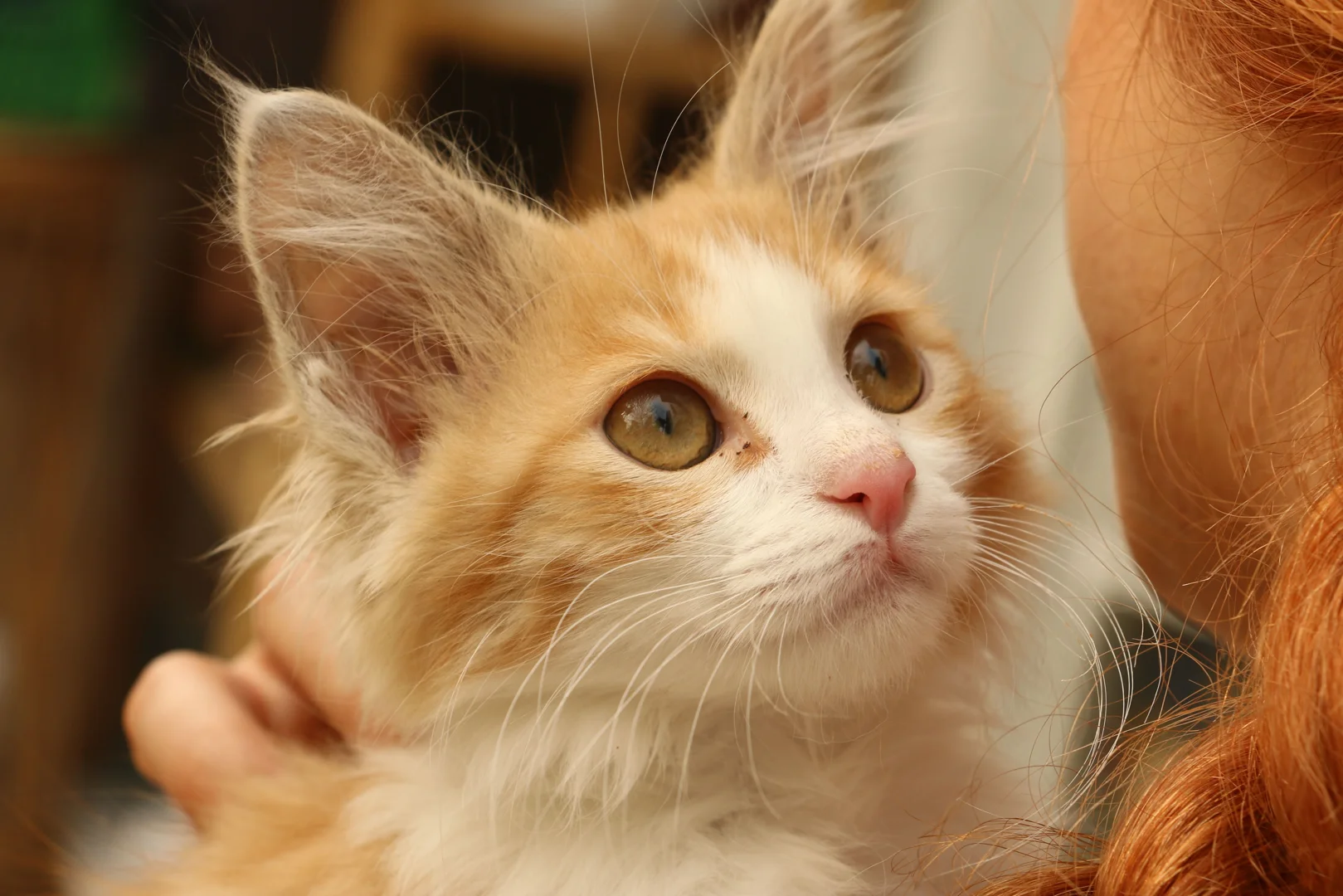
Kittens purr while nursing, and mother Cats may purr too. Before kittens can see or hear well, the vibration helps keep them connected to their mother, as the Library of Congress explains.
Adult Cats may also purr when greeting a familiar person or resting near another Cat.
The Solicitation Purr: Asking for Food
Cats may use a more urgent-sounding purr when asking for something, especially food. This is often called a solicitation purr.
It can sound more insistent than the purr you hear during a quiet nap.
Why Cats Purr When Stressed, Hurt, or Sick
Purring does not always mean a Cat feels well. Cats may purr when they are frightened, uncomfortable, ill, or recovering from an injury.
In these moments, purring may be one way a Cat tries to self-soothe, but that is only a possible explanation. Purring alone cannot tell you whether a Cat feels safe, stressed, painful, or unwell. Look at the whole picture, including posture, breathing, appetite, activity, and whether your Cat can settle.
What Your Cat's Body Language Can Tell You
A comfortable Cat usually has a soft posture, relaxed ears and face, and slow blinks.
Purring needs context. Posture, facial expression, and behavior may point to stress or discomfort when you also notice:
- A low, tight body position
- Ears turned sideways, flattened back, or twitching
- Large pupils in normal room light
- Whiskers pulled back
- Tension across the shoulders or back
Our guide on how to support an anxious Cat can help you create a calmer home environment.
When to Contact a Feline Veterinarian
A change in your Cat's usual purring can be useful information. Pay attention if a Cat who normally purrs becomes quiet, or if a quiet Cat begins purring often without an obvious reason.
Contact your veterinarian if purring is accompanied by:
- Decreased appetite, reluctance to eat, or weight changes
- Hiding away or avoiding usual family interactions
- Difficulty getting comfortable or resting in abnormal postures
- Sudden changes in purring paired with low energy or behavior changes
- Subtle signs of pain when touched or lifted
Emergency: Open-mouth breathing, labored breathing, or any signs of respiratory distress require immediate emergency veterinary evaluation.
At CatsOnly, a Cat wellness exam looks at behavior and physical health together. Tell the Care Team about changes in purring, appetite, posture, hiding, litter box habits, sleep, or comfort at home. Bring notes about when the change started and what seems to trigger it.
Frequently Asked Questions About Why Cats Purr
Can All Big Cats Purr?
No. Lions, tigers, jaguars, and leopards roar rather than purr continuously. Cheetahs and cougars can purr.
Why Does My Cat Bite Me While Purring?
Purring does not always mean a Cat wants petting to continue. If they turn away, tense, flick their tail, flatten ears, ripple skin, or stop leaning in, pause and respect their choice for the interaction to end.
Understanding Your Cat's Unique Communication
Purring is one part of feline communication. Its meaning depends on your Cat’s usual behavior, environment, and physical wellbeing, which is why CatsOnly’s biobehavioral approach looks at the whole Cat, not the sound alone.
A purr makes the most sense through your Cat’s body language, habits, and environment. If something changes or concerns you, book an appointment with CatsOnly.
This article is for educational purposes and reflects general feline health information. It is not a diagnosis and does not replace an examination by a veterinarian who knows your Cat. Every Cat is an individual, and recommendations can change with age, history, and physical findings. If you notice a change from your Cat's normal baseline, or you have questions about your Cat's health, contact your veterinary Care Team. If your Cat is struggling to breathe, unable to urinate, or collapsed, seek veterinary care immediately.
Veterinary care designed entirely for Cats.
Most clinics accommodate Cats. We were built for them.
SHARE THIS ARTICLE:
Latest Articles