
Why Do Cats Knead?
By CatsOnly Care Team • November 19, 2026
What Is Kneading in Cats?
Cats begin kneading during nursing, when the paw motion helps them settle close to their mother, and many Cats continue the behavior into adulthood, as Scientific American explains. Often called "making biscuits," adult kneading is commonly associated with resting, comfort, and soft surfaces, though every Cat is a little different.
Kneading is a rhythmic motion where a Cat pushes their front paws down and pulls them back against a soft surface, alternating left and right like working dough. As each paw presses down, the toes spread and the claws may slightly extend before pulling back in.
Cats have scent glands associated with their paws, so kneading may leave some familiar scent behind, though it is not always intentional marking. The motion and frequency vary by Cat, and some Cats knead often while others rarely do. Kneading is usually normal, but if a sudden change comes with signs like limping, hiding, appetite changes, or unusual sensitivity, a veterinary visit can help assess the change.
Why Do Cats Knead? The Top Behavioral and Biological Reasons
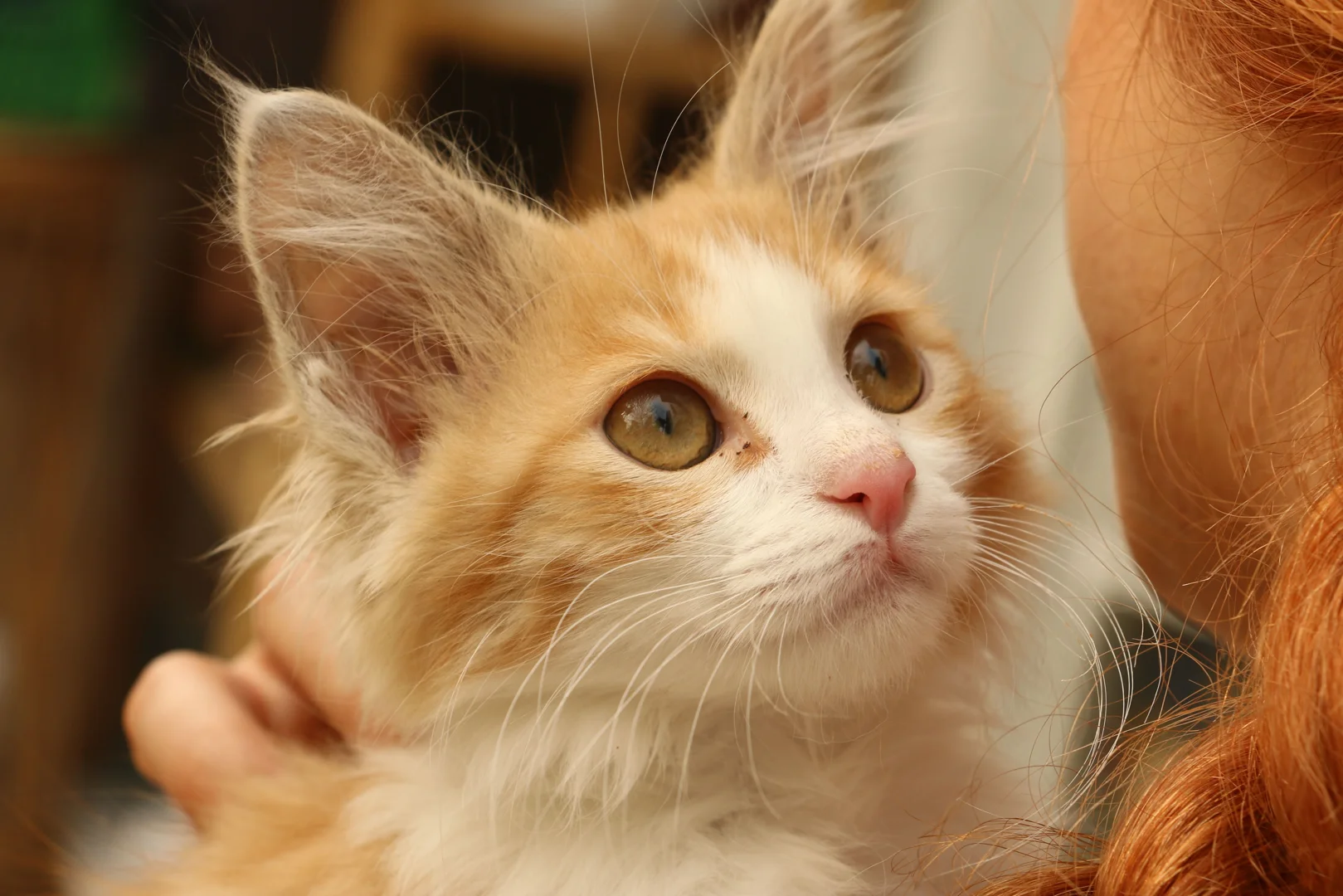
The instinct to knead begins right after birth. Kittens press their paws against their mother’s belly during nursing, which may help milk flow. That early experience likely connects pawing with warmth, feeding, and close contact. In adult Cats, kneading is often interpreted as a comfort behavior, especially when they appear relaxed with their Caregivers.
Why Do Cats Knead on Their Caregivers?
When your Cat kneads on your lap, it may happen during relaxed, familiar social time. It can suggest comfort, but the meaning depends on your Cat’s posture, face, tail, and overall body language. Notice the whole moment, not just the paws.
Cats do have scent glands around their paws, so kneading may leave subtle scent cues on fabric or skin. But that does not mean your Cat is deliberately claiming you as territory. More often, kneading reflects comfort, familiarity, and social bonding. Tuning in to these everyday behaviors is an important part of daily Cat health and happiness.
Why Do Cats Knead Blankets and Soft Bedding?
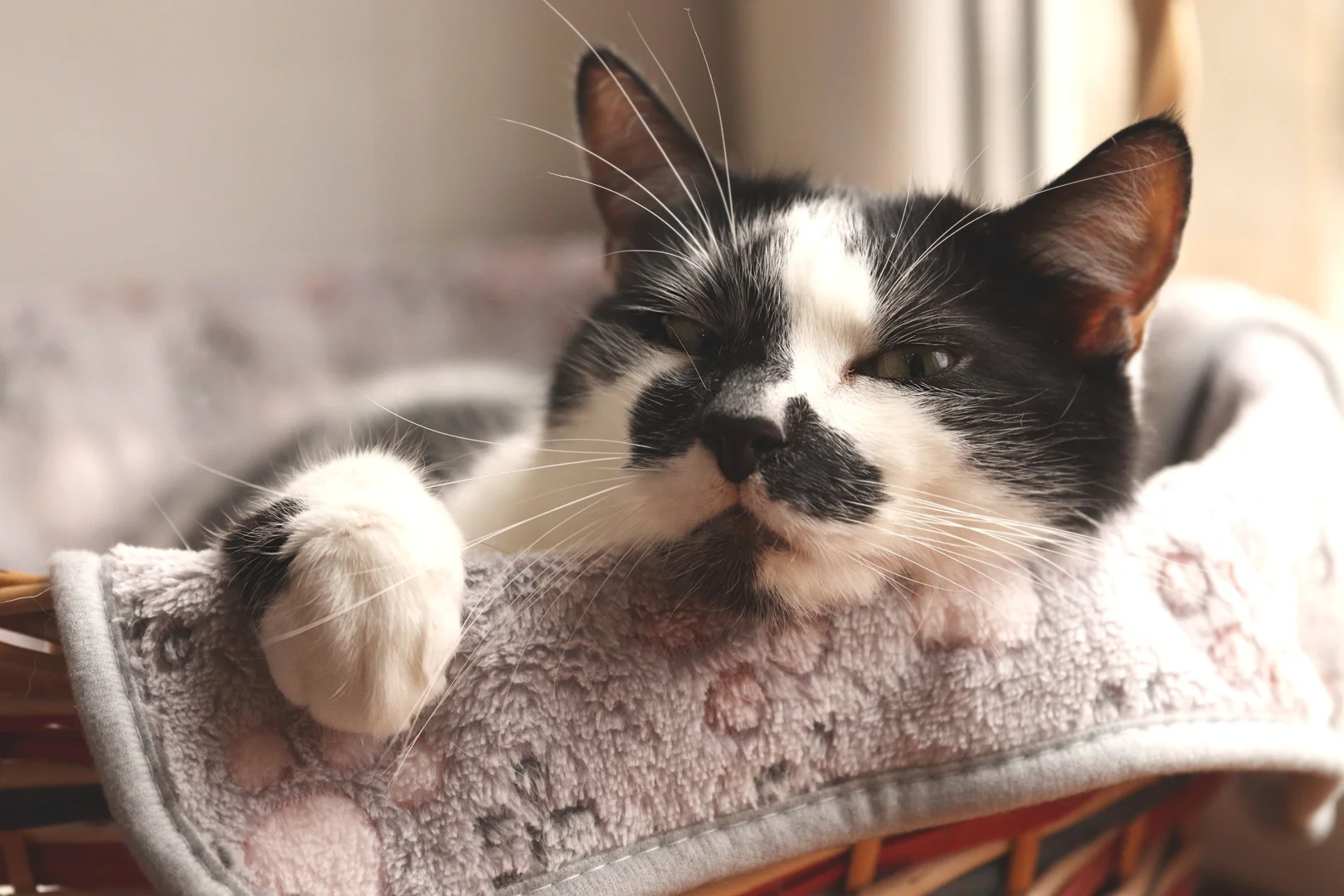
Cats often knead blankets, pillows, and beds before curling up to sleep. Many Cats seem to press, paw, and soften a surface before settling in. One hypothesis is that this behavior may relate to ancestral nesting, but that explanation is not proven. Today, it is safest to view blanket kneading as a normal comfort and resting routine.
Managing Painful Claws Without Punishing Your Cat
Kneading is a normal feline behavior, but sharp claws on bare skin can hurt. Never scold, push, or punish your Cat for kneading. Punishment creates fear and stress. Instead, use respectful, low-stress management strategies:
- Use a dedicated lap blanket. Keep a folded fleece blanket or thick towel nearby to place on your lap before your Cat settles down. This cushions claw pressure while keeping your lap cozy.
- Individualize nail care. Trimming just the sharp tips can reduce scratches, but the timing depends on your Cat's claws, comfort, and health. Introduce paw handling slowly with treats and pauses, never restraint or forced interaction.
- Offer a softer option. If claws snag your clothes or skin, stay calm and place a soft pillow or blanket beside you so your Cat can shift there voluntarily. Avoid moving their paws if they resist.
- Reward calm behavior. When your Cat settles comfortably, offer an interaction they enjoy, such as quiet praise, a treat, or gentle touch if they ask for it. Give them space if they move away, tense up, or stop engaging.
When Kneading Signals Stress, Pain, or Medical Changes
In most cases, kneading is a normal comfort behavior. On its own, it is not a reliable sign of stress, pain, or nausea. What matters is a change from your Cat’s baseline. If kneading suddenly becomes more frequent, intense, or happens with changes in mobility, appetite, posture, litter box habits, grooming, or social behavior, it is worth checking in with the Care Team.
Frequently Asked Questions About Cat Kneading
Why do some Cats drool while kneading?
Some Cats drool while kneading during calm, relaxed interactions, but the exact reason is not definitively established. It may be linked to comfort, not a proven nursing reflex. Drooling is not always harmless. New, excessive, or persistent drooling , especially with appetite changes or signs of oral discomfort, warrants veterinary evaluation.
Should I be concerned if my Cat never kneads?
No. Cats show trust and affection in different ways. Some knead daily, while others prefer head rubbing, purring, or sitting nearby. A lack of kneading simply reflects your Cat's individual personality, not a lack of health or affection.
Is kneading always a sign of happiness?
Kneading is often seen when Cats look relaxed, but it does not have one fixed emotional meaning. Interpret it alongside body language, the environment, and your Cat’s usual patterns. If kneading is new or paired with hiding, low appetite, vocalizing, or reduced mobility, contact your veterinary Care Team.
Conclusion
Kneading is a normal feline behavior rooted in kittenhood and instinct. In adult Cats, it can appear in many contexts, so interpret it through your Cat's body language, environment, and any changes your Care Team should know about.
If your Cat’s kneading changes suddenly, or you notice signs of discomfort, schedule an appointment with CatsOnly. Our Care Team can help assess behavior changes and physical comfort.
This article is for educational purposes and reflects general feline health information. It is not a diagnosis and does not replace an examination by a veterinarian who knows your Cat. Every Cat is an individual, and recommendations can change with age, history, and physical findings. If you notice a change from your Cat's normal baseline, or you have questions about your Cat's health, contact your veterinary Care Team. If your Cat is struggling to breathe, unable to urinate, or collapsed, seek veterinary care immediately.
Veterinary care designed entirely for Cats.
Most clinics accommodate Cats. We were built for them.
SHARE THIS ARTICLE:
Latest Articles