Cat Urinary Health and Diet: What Cat Parents Should Know
By CatsOnly Care Team • September 30, 2026
Nutrition can play an important role in feline urinary health, including supporting water intake and, for some diagnosed conditions, managing specific dietary factors. Because urinary signs can have different causes, some urgent, diet changes should be based on veterinary evaluation and your Cat’s individual needs.
Feline Lower Urinary Tract Disease, or FLUTD, is an umbrella term for problems affecting the bladder and urethra. It includes conditions such as feline idiopathic cystitis and urolithiasis, or urinary stones. Crystals may appear in the urine, but they are not always the cause of a Cat’s signs. Urethral obstruction is different: it is a life-threatening emergency that can result from several underlying urinary problems.
Cat Parents may notice frequent litter box trips, passing only small amounts of urine, vocalizing during urination, increased grooming around the urinary or genital area, or blood in the urine. A Cat repeatedly trying to urinate while producing little or no urine needs urgent veterinary evaluation. Urinary signs should be evaluated by a veterinarian before making diet changes.
A Cat repeatedly trying or straining to urinate while producing little or no urine needs immediate veterinary evaluation. Urethral obstruction can become life-threatening, and male Cats are at greater risk. Learn more about recognizing a urinary emergency.
How Nutrition Can Support Feline Urinary Health
Therapeutic urinary diets are formulated around specific urinary health goals, not simply reducing one ingredient. Depending on the diagnosis, your veterinarian may recommend a diet that supports urine dilution, helps manage minerals linked to certain stones, or influences urine pH.
Key features may include:
Depending on the urinary condition, a veterinarian may recommend a diet with features such as:
- Higher moisture: Wet formulas can support total water intake, while therapeutic urinary diets may be wet or dry.
- Condition-specific mineral formulation: Mineral levels may be adjusted based on the diagnosed crystal or stone type.
- Targeted urine characteristics: Some diets help support urine conditions that make certain crystals less likely to form.
- Complete nutrition: A therapeutic diet should meet a Cat’s overall nutritional needs when fed as directed.
Why Urine pH and Minerals Matter in Urinary Health
Struvite and calcium oxalate stones form under different urinary conditions, so diet recommendations should be based on the specific urinary condition identified by your veterinarian. A diet intended for one type of stone or urinary concern may not be appropriate for another. If your Cat is eating a therapeutic urinary diet, check with your Care Team before adding supplements, treats, or other foods that could interfere with the diet’s intended nutritional goals.
The Role of Water Intake in Feline Urinary Health
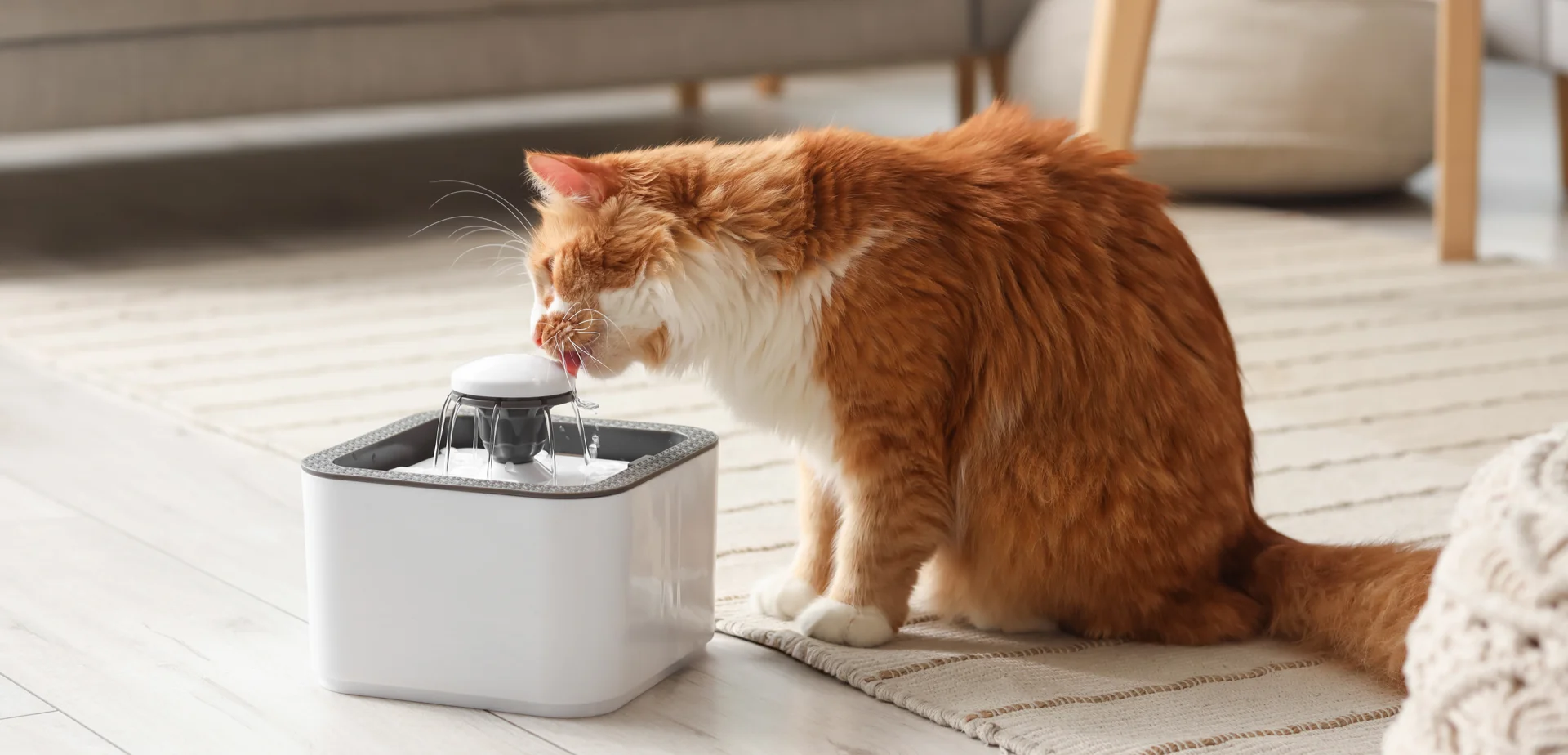
Food moisture can contribute to a Cat’s total water intake, along with the water they drink. For some Cats and urinary conditions, increasing water intake may help support urine dilution as one part of an individualized urinary-health plan.
Therapeutic urinary diets may be wet or dry, and should be chosen for your Cat’s specific urinary condition and needs. At home, keep fresh water easy to access in multiple locations. Some Cats prefer certain bowl styles or a fountain, so watch how your Cat drinks. If your Cat eats a therapeutic urinary diet, check with the Care Team before adding supplements, toppers, or other foods.
The Role of Environment in Feline Idiopathic Cystitis
Nutrition is only one part of supporting a Cat with feline idiopathic cystitis. FIC is complex, and environmental or social stressors can be associated with urinary signs in some Cats. The Five Pillars of a Healthy Feline Environment, including predictable interaction, safe spaces, and multiple, separated resources, can help support comfort and overall care.
Useful changes may include:
- Keeping litter boxes clean, accessible, and in quieter areas.
- Providing multiple and separated food, water, resting, scratching, and litter-box resources, particularly in multi-Cat homes.
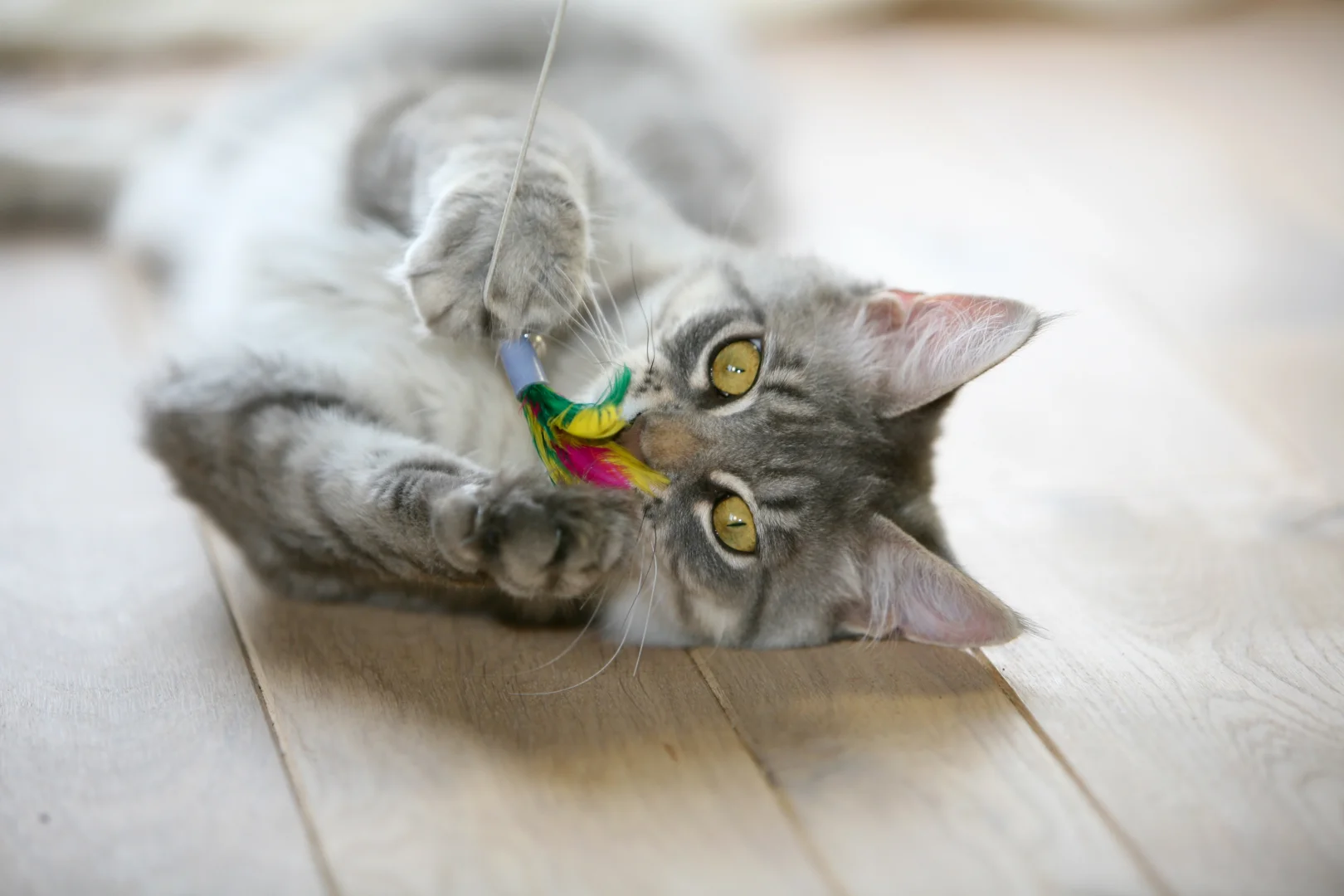
- Offering opportunities to play, climb, hide, and engage in predatory behavior, along with predictable daily routines.
- Talking with your Care Team during routine preventative care about environmental changes that may be relevant to your Cat's urinary health.
Environmental support does not replace veterinary evaluation when a Cat has urinary signs. Repeated attempts or straining to urinate with little or no urine require immediate veterinary evaluation.
Transitioning Your Cat to a Urinary Diet
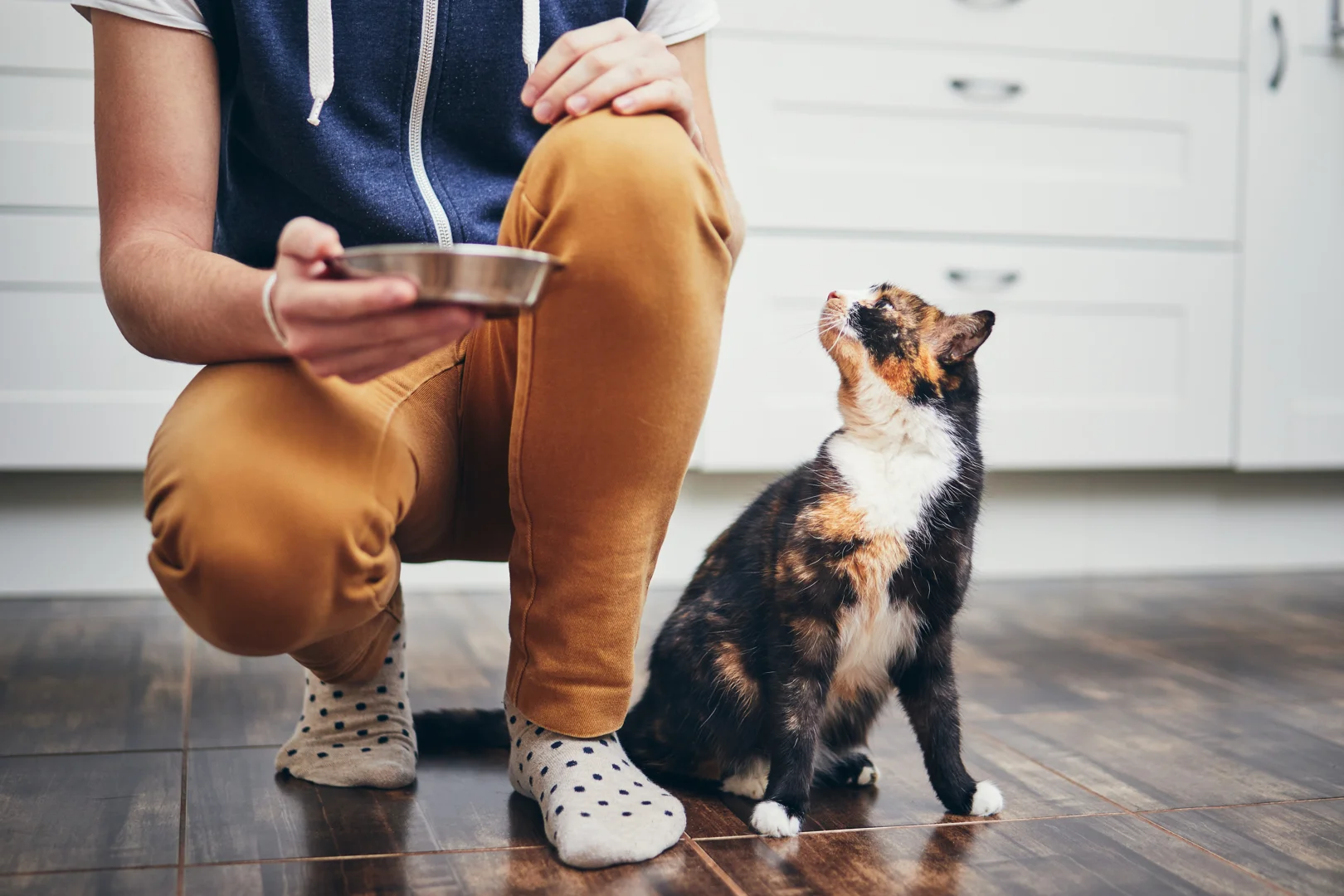
Some Cats need time to accept a new food, and a gradual transition may support acceptance and digestive tolerance. Your Care Team can recommend a transition pace based on your Cat’s health, appetite, and therapeutic diet. Before changing food, gather details about what your Cat currently eats and review our guide to preparing for a nutrition consultation.
If your veterinarian has recommended a therapeutic urinary diet, consistency with that nutritional plan can be important. Treats, table food, supplements, or other foods may interfere with the diet’s intended nutritional goals, so check with your Care Team before adding them. Follow your Care Team’s recommendations and the feeding instructions for the specific therapeutic diet your Cat is eating.
Monitor everyday changes that may be useful to share with your Care Team, including appetite, water intake, litter-box habits, urine output, and signs such as straining, repeated litter-box visits, or vocalization while urinating. Additional testing or imaging may be recommended based on your Cat’s diagnosis and how they are doing over time.
Frequently Asked Questions About Feline Urinary Diets
How long does a urinary diet take to show results?
There is no single timeline for a urinary diet to show results. It depends on the urinary condition being managed, the goal of the therapeutic diet, whether it is fed as directed, and how your Cat responds. “Results” may mean managing a specific stone type, supporting urine characteristics, or reducing recurrence risk. Your veterinarian may use clinical signs, urine testing, imaging, or other follow-up evaluation to assess progress. Continue the recommended nutrition plan until your Care Team advises a change.
Can healthy Cats eat urinary food in a multi-Cat household?
Over-the-counter urinary-support foods and veterinary therapeutic urinary diets are not interchangeable. If one Cat is prescribed a therapeutic urinary diet, do not assume it fits every Cat in the household. Your Care Team can help decide whether Cats need separate diets and suggest practical options, such as separate feeding areas or microchip feeders.
Is wet food always required for urinary tract management?
Wet food can contribute to a Cat’s total water intake, but it is not always required for urinary management. Therapeutic urinary diets may be wet or dry and can be formulated for specific urinary-health goals. The appropriate choice depends on your Cat’s diagnosis, nutritional needs, adequate food intake, and the plan developed with your Care Team.
Conclusion
Supporting urinary health starts with understanding what is happening with your individual Cat. Nutrition, water intake, the home environment, and follow-up care may all play a role. Watch for changes from your Cat’s usual litter-box habits and contact your Care Team when urinary signs develop. Repeated attempts or straining to urinate with little or no urine require immediate veterinary evaluation.
At CatsOnly, our care is designed around feline biology, behavior, and each Cat’s individual medical needs. If you notice changes in your Cat’s urinary habits or want to discuss their nutrition, book an appointment with our Care Team.
This article is for educational purposes and reflects general feline health information. It is not a diagnosis and does not replace an examination by a veterinarian who knows your Cat. Every Cat is an individual, and recommendations can change with age, history, and physical findings. If you notice a change from your Cat's normal baseline, or you have questions about your Cat's health, contact your veterinary Care Team. If your Cat is struggling to breathe, unable to urinate, or collapsed, seek veterinary care immediately.
Veterinary care designed entirely for Cats.
Most clinics accommodate Cats. We were built for them.
SHARE THIS ARTICLE:
Latest Articles