Thanksgiving Safety Tips for Cats: Safe Foods, Holiday Hazards & Stress-Free Celebrations.
By • November 9, 2026
Safe foods, holiday hazards, and a celebration that respects your Cat’s choices
Thanksgiving brings delicious food and familiar traditions for people, but for Cats it can also mean unsafe foods, a busy kitchen, unfamiliar visitors, and changes to the routines they rely on. A little preparation can reduce holiday hazards, protect your Cat’s comfort, and give them space to experience the day in their own way.
Start with two priorities: keep unsuitable holiday foods out of reach and protect the places and routines your Cat depends on. Knowing what feels familiar and comfortable to your Cat is one of the most useful things you can bring to the holiday.
What Thanksgiving Foods Can Cats Eat?
Cats do not need a holiday meal to feel included. Their regular, complete diet is the best foundation, particularly if they have a medical condition or eat a prescription food. Some plain, fully cooked foods may be offered as an occasional tiny taste, but a food that is safe for one Cat may not be appropriate for another. You know your Cat’s preferences and history; let those guide the decision, not the holiday menu.
Thanksgiving Foods That May Be Safe for Cats
Some Thanksgiving foods, such as a small amount of plain, fully cooked, boneless turkey, may be safe for some Cats. But just because a food isn’t toxic doesn’t mean it’s appropriate for every Cat. Cats are obligate carnivores, and their nutritional needs are best met through a complete and balanced diet appropriate for their individual health. Even seemingly harmless additions can be problematic for Cats with food sensitivities, digestive conditions, or prescribed diets. Rather than introducing something new for the holiday, consider offering your Cat a familiar favorite from their regular diet or a treat you already know they enjoy and tolerate. The most Cat-friendly Thanksgiving food may be the one your Cat already loves.
What Thanksgiving Foods Should Cats Not Eat?
Traditional dishes can pose different kinds of risks. Onion, garlic, and chives—including powdered forms—are toxic to Cats and can damage red blood cells. Chocolate and alcohol are also toxic; raw yeast dough can expand in the stomach and produce alcohol as it ferments. Keep grapes and raisins away from Cats as a precaution: kidney toxicity is well established in dogs, but the evidence in Cats is less clear. Cooked bones may splinter or cause choking or gastrointestinal injury. Turkey skin, rich gravy, and fatty scraps can cause digestive upset and may contribute to pancreatitis. Do not assume a food is safe simply because it contains meat or vegetables.
Secure serving plates, leftovers, and trash. Guests may not realize that offering “just a bite” could be risky, so let them know ahead of time that your Cat has their own food plan. It’s a small boundary that protects someone who can’t explain their dietary needs to visitors.
Can Cats Eat Thanksgiving Turkey?
Yes, some Cats can have a very small amount of fully cooked turkey that is plain, boneless, skinless, and unseasoned. Turkey prepared with onion, garlic, gravy, rich drippings, or other seasonings is not an appropriate treat. If your Cat has food sensitivities, gastrointestinal disease, or a prescribed diet, skip the turkey and offer their usual food instead.
Cat-Friendly Thanksgiving Food Ideas
A Cat-friendly Thanksgiving food moment can be wonderfully ordinary: serve your Cat’s usual meal in a familiar spot or offer a favorite treat you already know they tolerate, if appropriate for their diet. There is no need to add holiday ingredients or change their feeding routine. For many Cats, consistency is the treat.
What to Do If Your Cat Eats Something Unsafe
If you suspect your Cat ate a potentially toxic food or swallowed a bone, string, or other hazardous object, contact your veterinarian or an animal poison-control service promptly. Suspected exposure to a true lily or daylily is an emergency: seek veterinary care immediately, even before symptoms appear. Keep packaging or ingredient lists if available, and be ready to share what was eaten, approximately how much, and when. Do not induce vomiting or give home remedies unless a veterinary professional specifically directs you to do so.
Seek urgent veterinary care for breathing difficulty, collapse, repeated vomiting, or straining to urinate. If your Cat stops eating or has a significant change in behavior, contact your veterinary team rather than assuming it is holiday stress.
Create a Sanctuary Your Cat Can Choose
A sanctuary is more than a quiet room. It's a familiar, comfortable space where your Cat can retreat, rest, observe, and feel secure without unwanted interruptions.
Before guests arrive, make sure your Cat has access to a space they already know and enjoy. Include familiar resting places, hiding options, comfortable bedding, and access to essential resources such as water and a litter box. For Cats who enjoy elevated spaces, vertical options can provide additional choice and security.
Keep the space protected from visitors, especially children, and allow your Cat to decide whether to stay there or explore other areas of the home when it's safe to do so. Remember, a sanctuary doesn't have to be an entire room. For some Cats, it's a favorite bedroom, a perch overlooking the activity, or a familiar hiding place. What matters isn't where we think our Cats should feel safe. It's where they actually do
Help Your Cat Feel Safe Around Thanksgiving Guests
For your Cat, Thanksgiving can mean several changes at once: unfamiliar voices, more movement, different smells, disrupted routines, and less access to favorite places. Each change may be manageable on its own, but together they can add up. Before guests arrive, notice where your Cat already chooses to rest, hide, observe, eat, and use the litter box. Keep those familiar places and pathways available. If you offer a quiet retreat, set it up ahead of time with familiar bedding, water, a litter box, and other needed resources, so your Cat has a chance to explore it before the gathering. A newly designated room is not automatically a reassuring space.
Let your Cat choose whether to approach, watch, or leave. Being in the same room as guests—or watching from a doorway—is not necessarily an invitation to be touched. Ask visitors to let your Cat initiate contact, and never follow, pick up, corner, or reach into a hiding place to force an introduction. If your Cat moves away, respect that decision. When Cat Parents notice these preferences and help guests honor them, they protect both their Cat’s sense of security and the trust they share.
Watch the whole Cat and what is different from their usual behavior. A Cat may become more vigilant, change their posture, withdraw, or avoid a busy area. Hissing or swatting can be a request for distance, not misbehavior to punish. Give your Cat space and a way to leave; do not insist they become comfortable with the gathering. Hiding can be a useful coping choice, but sudden or persistent hiding—especially with changes in appetite, activity, or litter box habits—should prompt a conversation with your veterinary team rather than being dismissed as holiday stress.
Keep Cats Away From Common Thanksgiving Hazards
Busy kitchens mean hot pans, open ovens, dropped ingredients, and accessible trash. Give your Cat a comfortable route away from cooking activity and keep counters and bins secure. Watch for candles, ribbons, string, and decorations that could be swallowed or cause injury. Avoid true lilies and daylilies in any home with Cats: even small exposures, including pollen or vase water, can cause life-threatening kidney injury. Suspected exposure requires immediate veterinary attention, even if your Cat seems well.
With visitors arriving and leaving, exterior doors may open more often than usual. Arrange a safe space away from the entryway, remind guests to watch doors, and make sure your Cat’s identification information is current.
Thanksgiving Safety FAQs for Cat Parents
Can Cats eat Thanksgiving leftovers?
Most leftovers contain salt, fats, seasonings, or other ingredients that make them a poor choice. Offer regular Cat food instead.
Is pumpkin pie safe for Cats?
No. Pumpkin pie can contain sugar, dairy, spices, and other ingredients that make it unsuitable for Cats. There is no reason to introduce pumpkin or other Thanksgiving foods simply for the holiday.
Should I introduce my Cat to every guest?
No. Introductions should be optional and initiated by the Cat. Visitors can enjoy your Cat’s company without touching or approaching them.
Should I worry if my Cat hides during Thanksgiving?
Not necessarily. Retreating to a familiar private place may be how your Cat chooses to cope with a busy home. Keep food, water, litter, and resting areas accessible without forcing your Cat through the gathering. If hiding is new, prolonged, or accompanied by changes in eating, activity, or litter box habits, contact your veterinary team.
A Good Holiday Leaves Room for the Cat
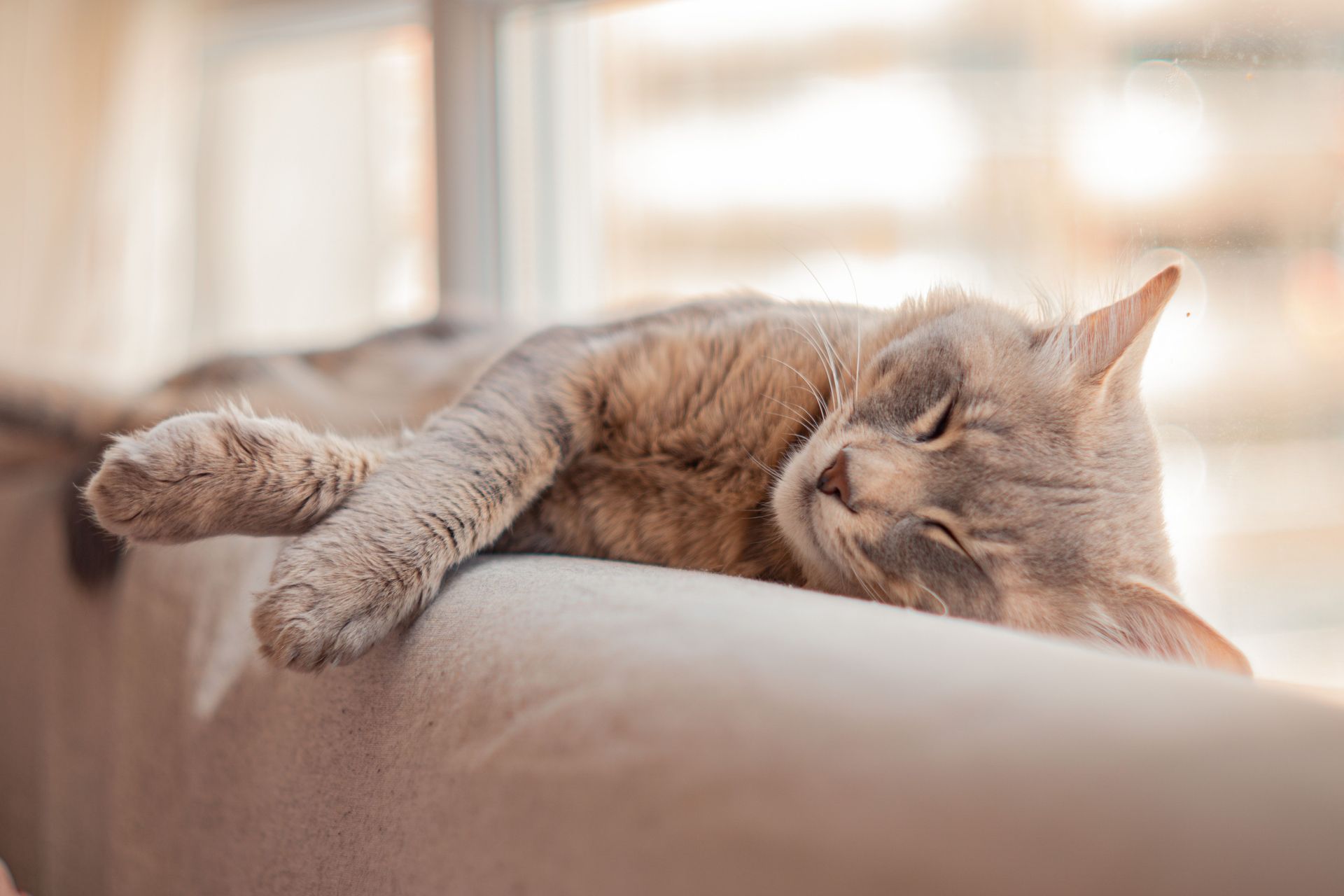
A Cat-friendly Thanksgiving isn’t about getting your Cat to enjoy the celebration. It’s about shaping the celebration so your Cat can remain comfortable being themselves. For one Cat, that may mean observing from a doorway; for another, sleeping through dinner in a familiar room. When you protect their routines, notice their signals, and honor their choices, you’re doing more than preventing stress. You’re showing your Cat that their needs matter in the home you share. And amid the holiday bustle, take a moment to celebrate the bond you share. Be thankful for the trust your Cat places in you, the ways they choose to connect, and the everyday companionship that makes your relationship uniquely yours. Sometimes the most meaningful way to say thank you is to let your Cat be exactly who they are.
A note from Ginger:
“The best seat at Thanksgiving? Whichever one I choose.”
At CatsOnly, we believe respecting Cats begins with understanding the individual in front of us—and helping Cat Parents build a relationship grounded in that understanding. If you have questions about your Cat’s health or behavior, connect with the CatsOnly Care Team or
book an appointment.
This article is for educational purposes and reflects general feline health information. It is not a diagnosis and does not replace an examination by a veterinarian who knows your Cat. Every Cat is an individual, and recommendations can change with age, history, and physical findings. If you notice a change from your Cat's normal baseline, or you have questions about your Cat's health, contact your veterinary Care Team. If your Cat is struggling to breathe, unable to urinate, or collapsed, seek veterinary care immediately.
Veterinary care designed entirely for Cats.
Most clinics accommodate Cats. We were built for them.
SHARE THIS ARTICLE:
Latest Articles