

What to Expect Before and After Cat Surgery
By CatsOnly Care Team • November 11, 2026
Preparing for your Cat’s surgery can feel easier when you know what will happen before the visit and what recovery may look like at home. Your surgical team will give individualized instructions for fasting, medications, travel, and setting up a quiet recovery space, as outlined in CatsOnly’s surgery preparation guidance. Following those steps helps you prepare calmly, support your Cat after surgery, and recognize when they may need extra help during recovery.
Recovery from anesthesia is the first stage. Healing from surgery takes longer. This guide explains what happens before surgery, what to expect while your Cat is at the hospital, and how to support recovery at home.
What Should You Know Before Your Cat's Surgery?
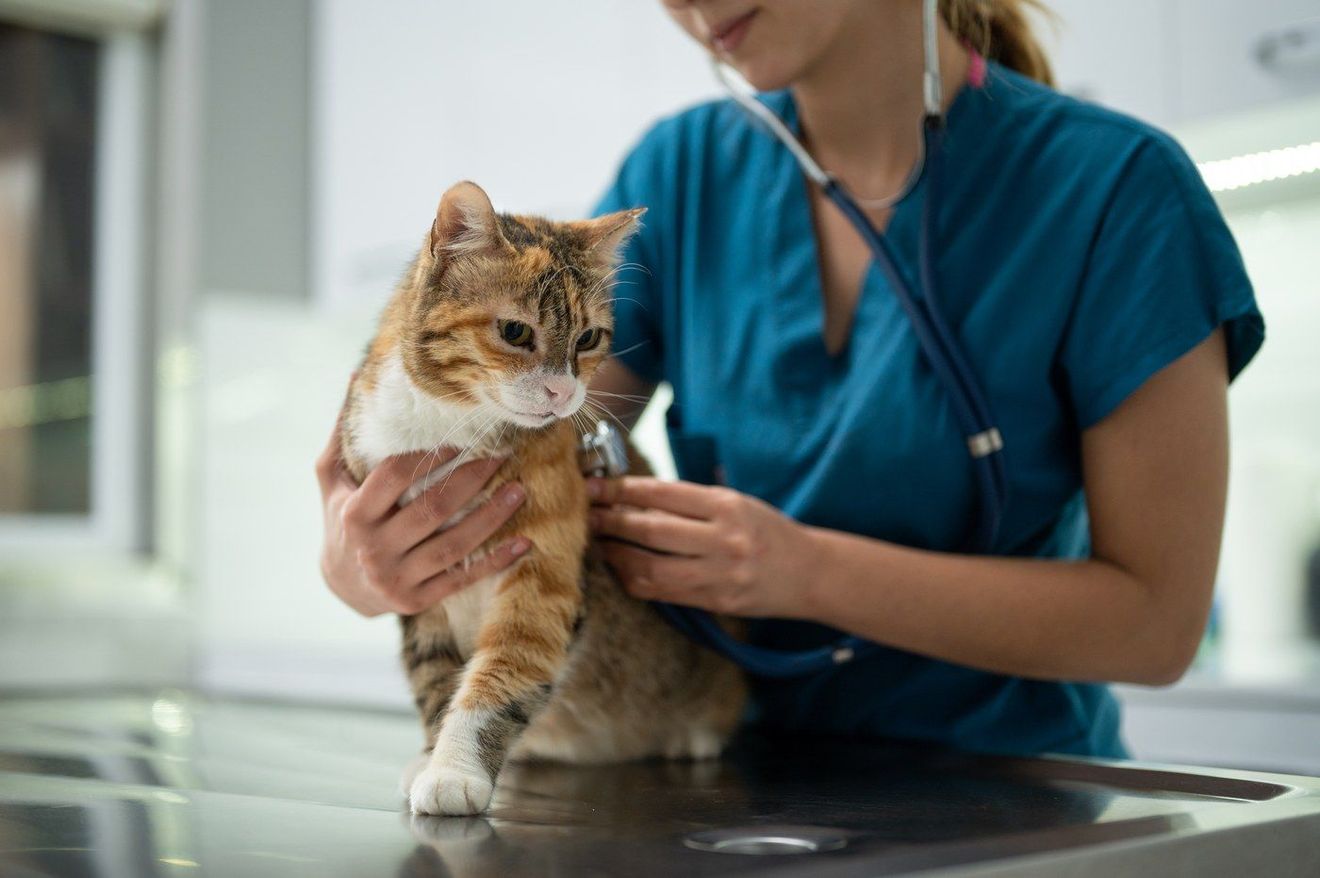
Every Cat’s surgical plan depends on the reason for surgery, medical history, age, and individual needs. Some procedures are routine, while others require more extensive planning. Cat Parents should understand why the procedure is recommended, what recovery may look like, and which preparation steps matter most. Clear communication with the Care Team helps everyone know what to expect.
How Does CatsOnly Prepare for Your Individual Cat?
At CatsOnly, surgical planning considers more than the procedure itself. Your Cat's medical history, previous veterinary experiences, behavior, and individual needs all help inform their care. Understanding how your Cat responds to handling, unfamiliar environments, and changes in routine allows the Care Team to plan for both physical and emotional well-being throughout the surgical experience.
What Questions Should You Ask Before Surgery?
Before surgery, ask your Care Team to explain the purpose of the procedure, what recovery is likely to look like, and how the plan accounts for your Cat’s individual health, age, temperament, and medical needs. Clarify pain management, medication timing, activity limits, incision care, follow-up visits, and whom to contact if your Cat seems uncomfortable, will not eat, or shows changes that worry you.
It's also helpful to discuss your Cat's previous experiences with veterinary visits, any medications or medical conditions, and how they typically respond to changes in routine. If your Cat becomes distressed during travel, handling, or unfamiliar situations, share that information ahead of time. These details can help the Care Team anticipate individual needs and develop an appropriate plan for the visit.
Before Surgery: Preparing Your Cat for the Visit
Preparation starts with understanding your Cat’s medical history, current health, and individual needs. Before surgery, the veterinarian will perform a physical exam and may recommend tests such as bloodwork. These findings help the Care Team plan what your Cat needs before, during, and after surgery, including an individualized anesthetic and surgical plan.
What Should You Do Before Surgery?
Cat Parents receive Cat-specific instructions before surgery, including guidance for food, water, medications, and arrival preparation. Follow the surgical team’s instructions rather than general internet advice, because recommendations may vary based on your Cat’s age, medical conditions, and procedure. Pre-visit medication should only be given when it has been prescribed for your individual Cat.
At CatsOnly, the surgical experience begins before your Cat arrives. Familiar bedding, thoughtful carrier preparation, quieter travel, and reducing avoidable stressors all help protect emotional safety as part of medical care. Because Cats respond differently to carriers and transportation, our feline surgical preparation guidelines and pre-visit calming techniques help you tailor the plan.
What Happens at CatsOnly on Surgery Day?
On surgery day, your Cat's Care Team will review their individual needs and surgical plan. Throughout their hospital stay, the focus is on providing appropriate medical care while considering their comfort, handling preferences, and response to the environment. Your Care Team will also explain what to expect when your Cat is ready to return home.
General anesthesia and pain management are planned around the individual Cat, the procedure, and any health needs found before surgery. CatsOnly uses feline-specific handling, monitoring, and recovery support to help each Cat stay as safe and comfortable as possible. Multimodal pain management, including local or regional nerve blocks when appropriate, is standard for CatsOnly surgery and dentistry.
Trained Care Team members monitor Cats continuously during anesthesia and respond to changes throughout the procedure using CatsOnly’s approved clinical standards. This matters because a Cat’s needs can shift under anesthesia, and close monitoring helps the Care Team adjust support in real time. For more context, read our guide on understanding cat anesthesia risks and protocols.
Bringing Your Cat Home After Surgery
After anesthesia and surgery, your Cat may act differently for a while, including changes in activity, coordination, appetite, or how they interact. These changes are worth watching, not automatically dismissing. Follow the surgical team’s discharge instructions for the recovery setup, including whether your Cat needs a familiar, quiet space, adjusted resource access, separation from household Cats, or other comfort-focused changes.
How Can You Support Your Cat's Healing at Home?
Some procedures require incision monitoring or protection while your Cat heals. Follow the discharge instructions from your surgical team for incision checks, activity limits, and any protective device recommended for your Cat. A protective collar or recovery suit may be suggested depending on the procedure and your Cat’s behavior, with the goal of helping them eat, drink, rest, move, and use the litter box comfortably.
How Can You Tell if Your Cat Is Uncomfortable?
Pain control may continue at home with prescribed medications or other instructions from the surgical team. Follow those directions exactly. Cats may communicate discomfort through subtle changes in posture, movement, appetite, grooming, resting, or interaction, so notice what is different from your Cat’s usual behavior. A quiet Cat is not automatically comfortable. If the procedure involved an incision, watch for swelling, redness, active bleeding, discharge, or other changes, following the incision-check guidance in the discharge instructions.
Contact your Care Team if your Cat's recovery differs from the discharge instructions, including unexpected changes in appetite, behavior, pain, or incision healing. Breathing difficulty, collapse, significant bleeding, or other severe symptoms require immediate emergency veterinary care.
CatsOnly is not a 24-hour emergency hospital. During hospital hours, Cat Parents can contact our Feline Experience Specialists for assistance. When calls cannot be answered or outside hospital hours, callers are automatically connected to a licensed Registered Veterinary Technician for triage and guidance. For emergencies, our 24/7 emergency partner is Veterinary Emergency Group (VEG). Do not delay emergency care while waiting for telephone guidance. Review our after-hours emergency veterinary triage instructions for what to do next.
Eating, Drinking, and Activity During Recovery
Your surgical team should give you individualized instructions for when your Cat can eat and drink after surgery, and what foods are safest for their specific procedure. Follow those directions closely, especially after dental care, oral surgery, or procedures that may affect swallowing or chewing. At home, watch for appetite changes, vomiting, drooling, or difficulty eating, since these can mean your Cat needs veterinary guidance. If your Cat is not eating as expected or seems uncomfortable, contact the Care Team for next steps.
Activity recommendations depend on the surgery and your Cat’s individual needs. When the surgical team recommends limiting movement, modify access to jumping, climbing, or active play rather than assuming strict confinement is always needed. Keep food, water, litter, and resting spaces easy to reach, and plan any room changes thoughtfully, since a new setup can affect your Cat’s emotional comfort during recovery.
Frequently Asked Questions About Cat Surgery
How Long Will My Cat Need to Recover After Surgery?
Recovery from anesthesia and healing from surgery happen on different timelines. Your Cat may seem drowsy for a short period after anesthesia, while the incision and tissues heal over days to weeks depending on the procedure and individual health. The Care Team will explain expected healing, activity limits, and follow-up. Contact them if recovery differs from what was discussed.
What Changes Should I Watch for After Anesthesia?
After anesthesia, Cats may have temporary changes in alertness, movement, or appetite, depending on the procedure and medications used. The Care Team should explain what is expected for your individual Cat before you go home. If you notice coughing, unusual breathing, or anything that does not match the discharge instructions, contact the Care Team for guidance. Breathing difficulty is an emergency and needs immediate veterinary care.
When Can My Cat Eat After Surgery?
Feeding guidance after surgery depends on the procedure, medications, anesthesia recovery, and your individual Cat. Follow the surgical team’s discharge instructions for when and how to offer food and water. If your Cat’s appetite changes are unexpected, persistent, or concerning, especially for a medically vulnerable Cat, contact the Care Team for guidance.
Supporting Your Cat Before and After Surgery
Cat surgery is more than the procedure itself. The experience begins with individualized preparation before arrival, continues through feline-specific anesthesia and monitoring, and carries into recovery at home. Cat Parents play a central role by following the Care Team’s instructions, watching for changes in appetite, behavior, comfort, or the incision, and reaching out when something feels off. If your Cat needs surgical care, learn more about our expert feline surgical services or book an appointment at our Stanley Marketplace location in Aurora, Colorado.
This article is for educational purposes and reflects general feline health information. It is not a diagnosis and does not replace an examination by a veterinarian who knows your Cat. Every Cat is an individual, and recommendations can change with age, history, and physical findings. If you notice a change from your Cat's normal baseline, or you have questions about your Cat's health, contact your veterinary Care Team. If your Cat is struggling to breathe, unable to urinate, or collapsed, seek veterinary care immediately.
Veterinary care designed entirely for Cats.
Most clinics accommodate Cats. We were built for them.
SHARE THIS ARTICLE:
Latest Articles